INTERMEDIATE
URGENT : CLASS CANCELLED 10-16-2026
MAKE UP DAY: NOV 20, 2026
BALANCE
Watercolor Workshop | Painting Birds
In this watercolor lesson, we will explore balance through color, light, shadow, and edge control while painting a bird.
Each student will create a watercolor bird painting using a reference photo provided below or a photo of their choice.
Our goal is to create a balanced composition where the bird and its surrounding atmosphere work together.
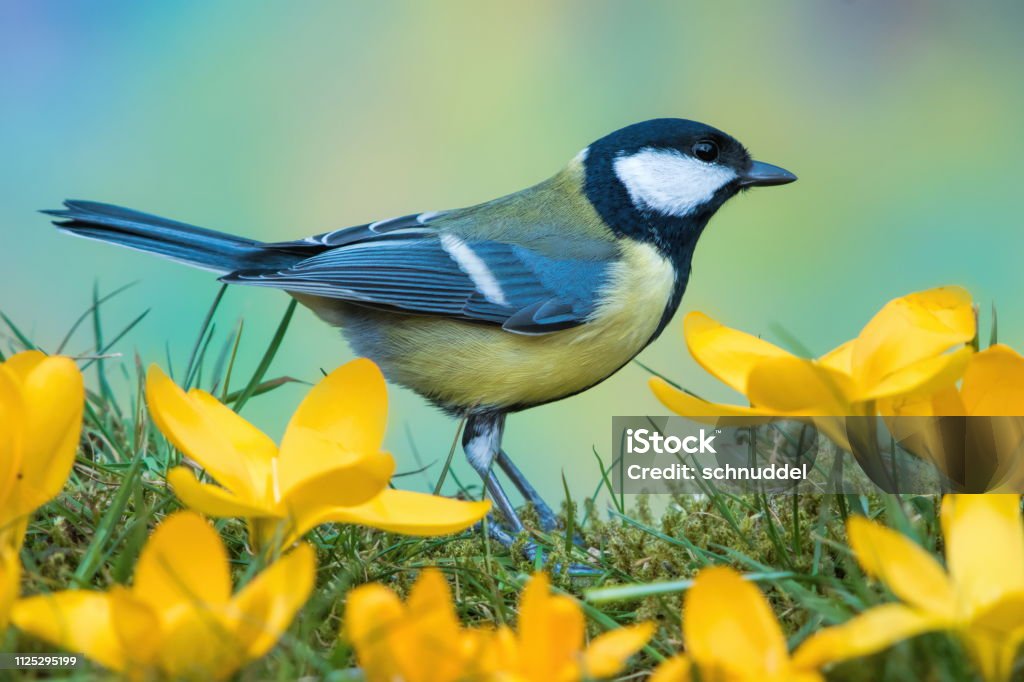
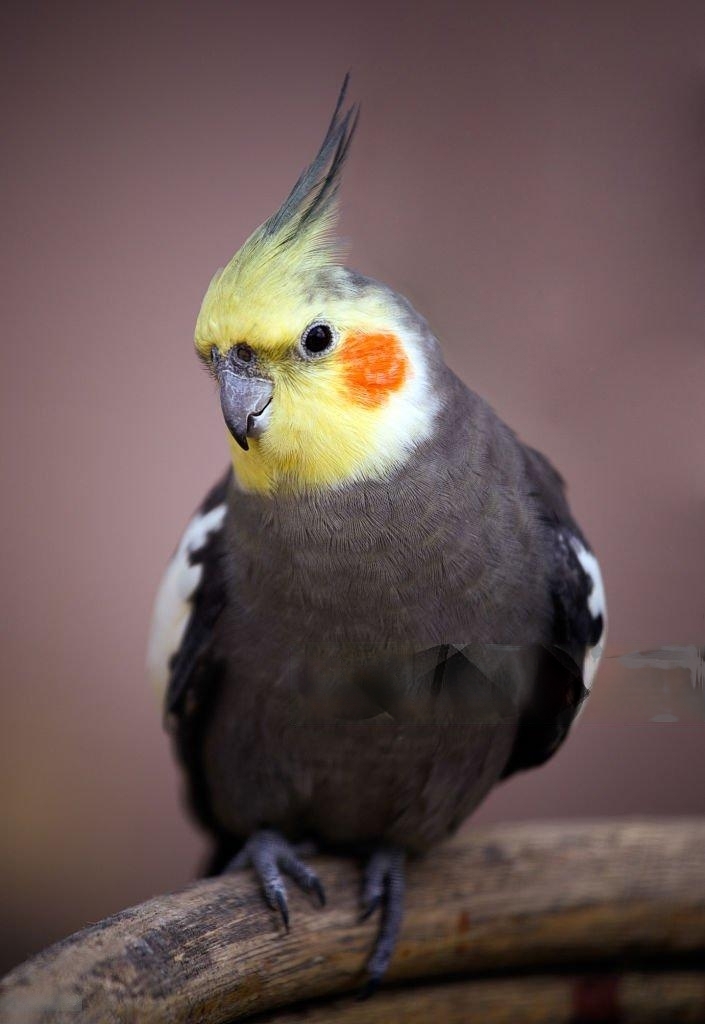
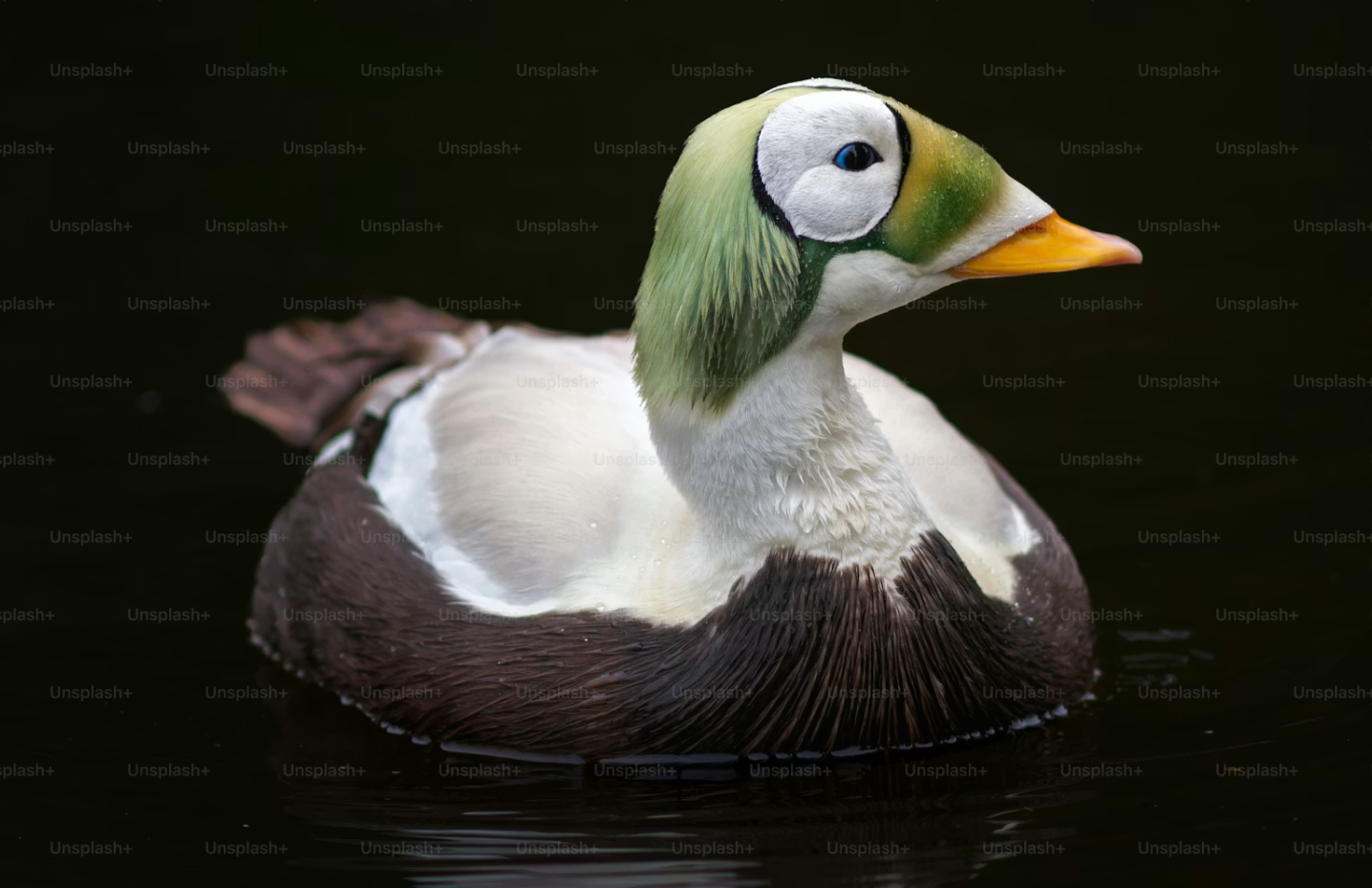
Watercolor Vocabulary
- Hard Edges: Sharp, defined lines created when painting wet-on-dry. Useful for feathers, beaks, and details.
- Soft Edges: Blurred transitions created when wet paint meets a damp surface. Useful for shadows and atmospheric effects.
- Wet-on-Wet: Applying wet paint to wet paper to create soft blends and flowing colors.
- Wet-on-Dry: Applying wet paint to dry paper to create controlled shapes and defined edges.
- Monochromatic: Using variations of one color to create harmony, depth, and contrast.
- Complementary Colors: Colors opposite each other on the color wheel, such as blue and orange, that create visual contrast.
- Highlights: The lightest areas of a painting, often created by preserving the white of the paper.
Painting Instructions
- Choose Your Bird: Select a reference photo from below or bring your own.
- Plan Your Composition: Position your bird to create visual balance and leave room for the surrounding atmosphere.
- Establish Light and Shadow: Identify your light source and preserve the white paper for highlights.
- Paint Your Bird: Use wet-on-wet for soft color transitions and wet-on-dry for defined details.
- Create an Atmosphere: Choose background colors that support your bird. Experiment with monochromatic tones or complementary hues.
- Add Depth: Include visible shadows on your bird and vary hard and soft edges to create dimension.
Remember
Balance is not always symmetry. Consider how color, contrast, light, shadow, and negative space work together.
Your bird should feel connected to its environment rather than floating separately from the background.
Class Challenge: Create a bird painting with at least one strong shadow, preserved white highlights, and a harmonious atmosphere that complements your subject.
Horse Photo for Next Class :

Leave a Reply