


Who do I look to for inspiration ? If you enjoy free classes], I’ve got exciting news there are plenty more where those came from!
Louis De Masi : Click Here
Youtube Tutorials : Click Here White Florals : Click Here


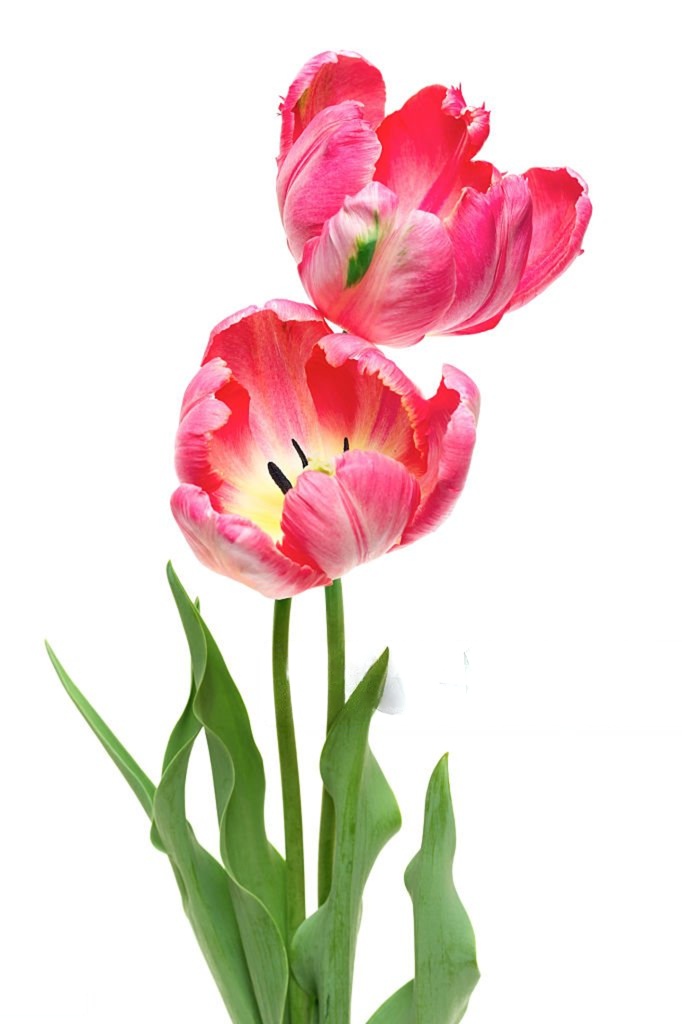
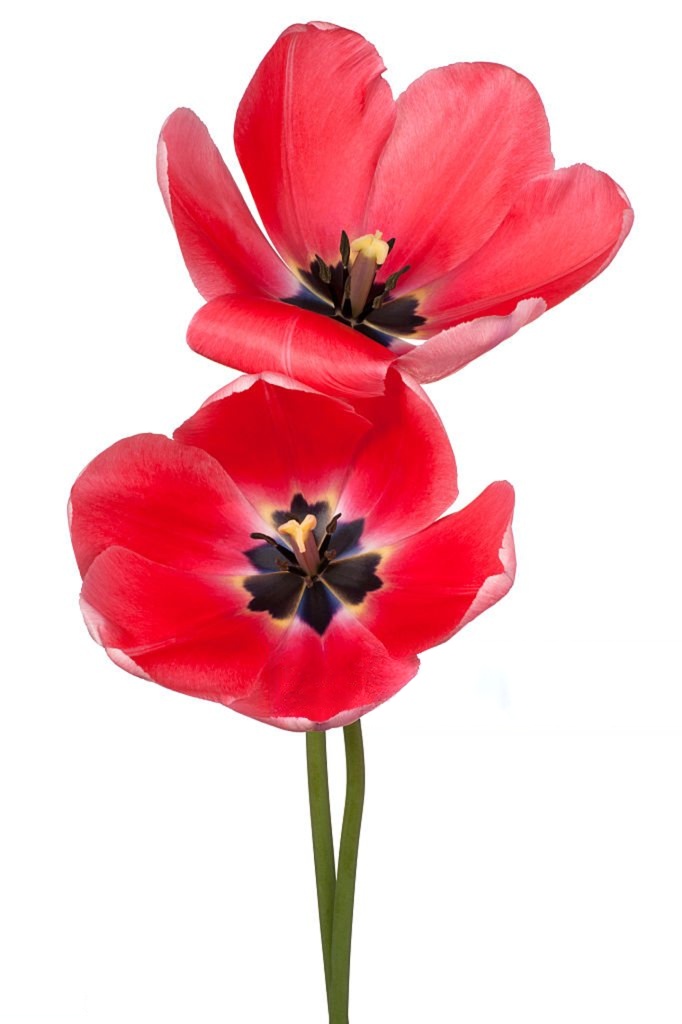
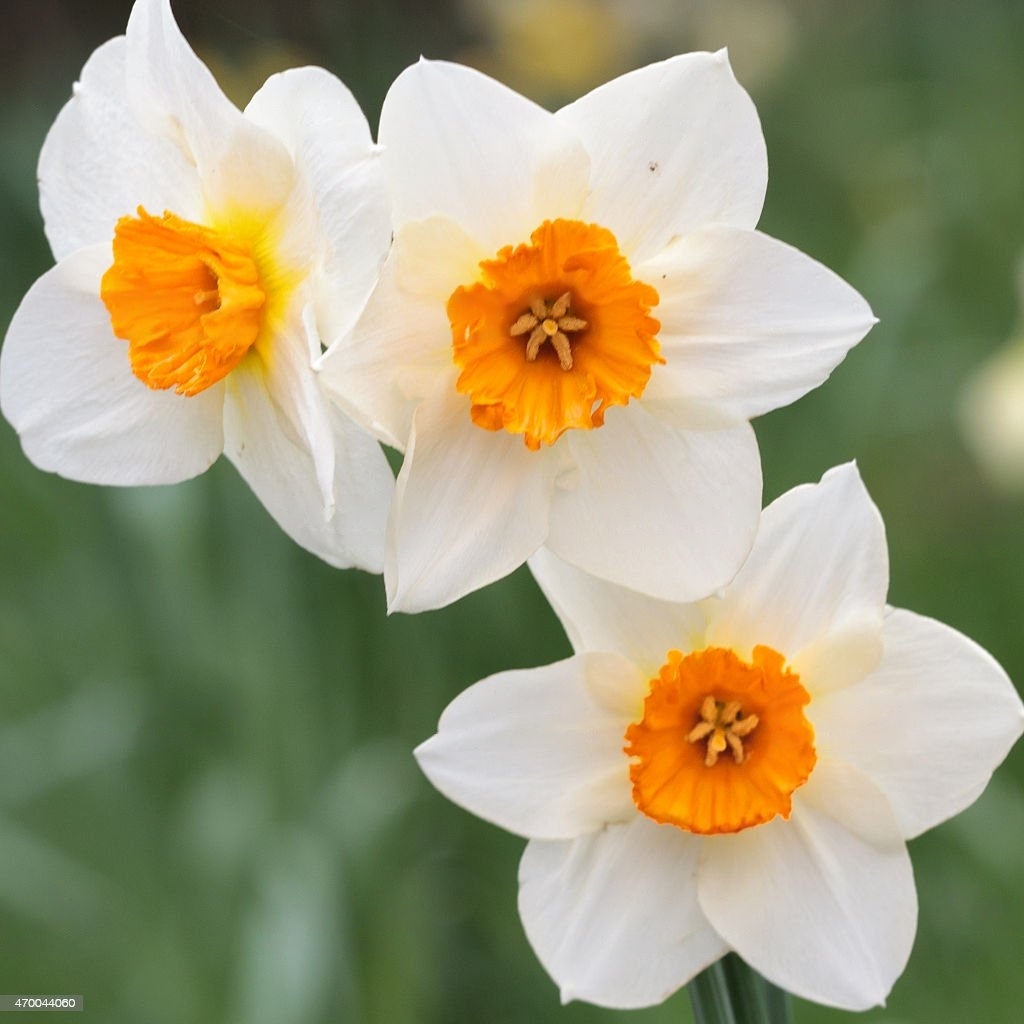
6 Tips for Expressive Floral Art
While you’re here, I want to share some powerful insights to master watercolor floral art. It is not just about technique but about seeing flowers in a new and magical way.
1. Flowers Are Never a Solid Colored
You don’t need a huge palette, but you do need to mix tones of a color. Adding a bit of blue to your pink will slowly create a cool purple hue. By layering and glazing colors you can create depth, light, and life.
2. The flower is More Elaborate Than You Think
Accept that you don’t fully understand a flower’s form. Take time to study it because it’s always more complex than it appears. When painting realistically, don’t simplify what you see. Observe the folds, curves, and delicate overlaps.
3. Flowers Are Full of Gently Flowing Streams
Flowers may look still, but in paint, they should feel alive and moving. Every petal, shadow, and highlight is part of a dynamic, circulating flow. Let your brushstrokes follow that energy.
4. Flowers Are Never Separate from Their Surroundings
For realism, soften the edges between flower and background. Remember your edges. Colors interact, reflect, and blur in reality. Let the background breathe into the petals, and the petals into the space around them.
5. Macro-Painting: Flowers Can Be BIG!
Want more detail and impact? Paint larger. A tiny sketch fights realism. Try to allow a single flower to fill half the page. Maybe, imagine painting even bigger details become abstract and monumental.
Enjoy the Journey and Build your studio practice
Homework:
- Paint a Floral
- Sign your painting with a small paint brush
- Put your painting in a small frame
- Bring to class to share with everyone
(Let go of the need to label your art as “good” or “bad.” That’s the job of critics and audiences, not creators. Your job is to explore, express, and learn. You are too close to your own work to judge it objectively. Instead of asking, “Is this good?” ask, “Does this feel true to me? What did I learn? What do I want to try next?” Your value as an artist isn’t in a verdict, but in the courage to keep creating.)

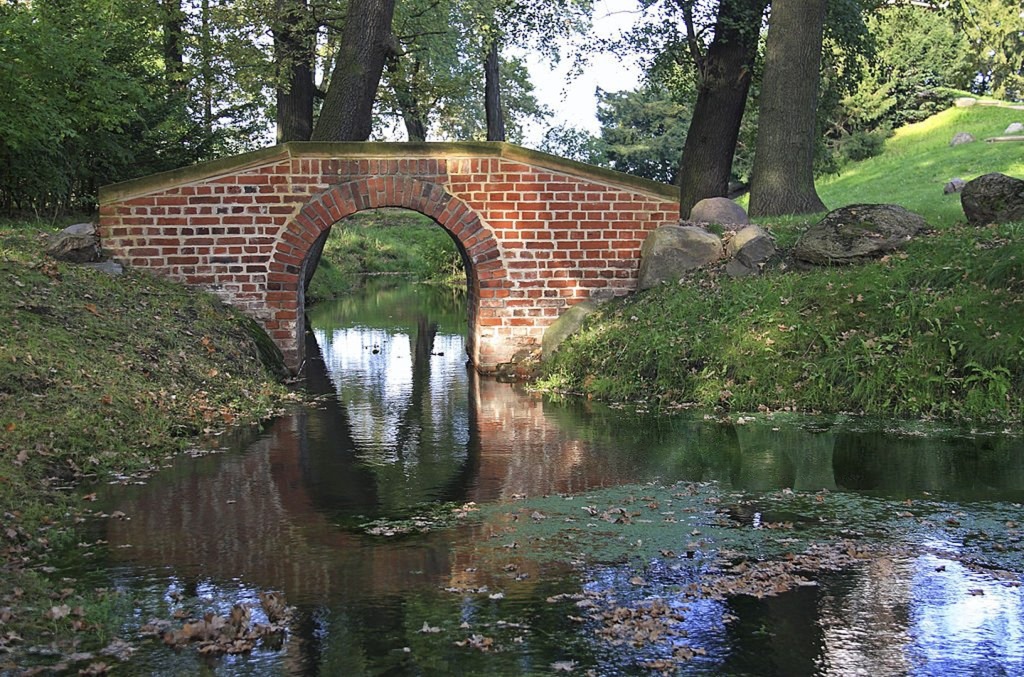
Homework: Draw this bridge on cotton paper. Add bridge. Edge of water , stones, and trees. Maybe minimize the reflections to large shapes with very little details.
Leave a Reply