Animals in Motion
Intermediate Watercolor | Expressive Brushwork & Spontaneity
In this intermediate watercolor class, we will explore how to bring horses to life through loose brushstrokes, expressive splatter, and spontaneous color application. Rather than focusing on every detail, students will use movement, gesture, and abstraction to capture the energy and personality of the horse.
We will experiment with wet-into-wet washes, charging, and bold brushwork while allowing some areas to remain loose and abstract.
Student Gallery


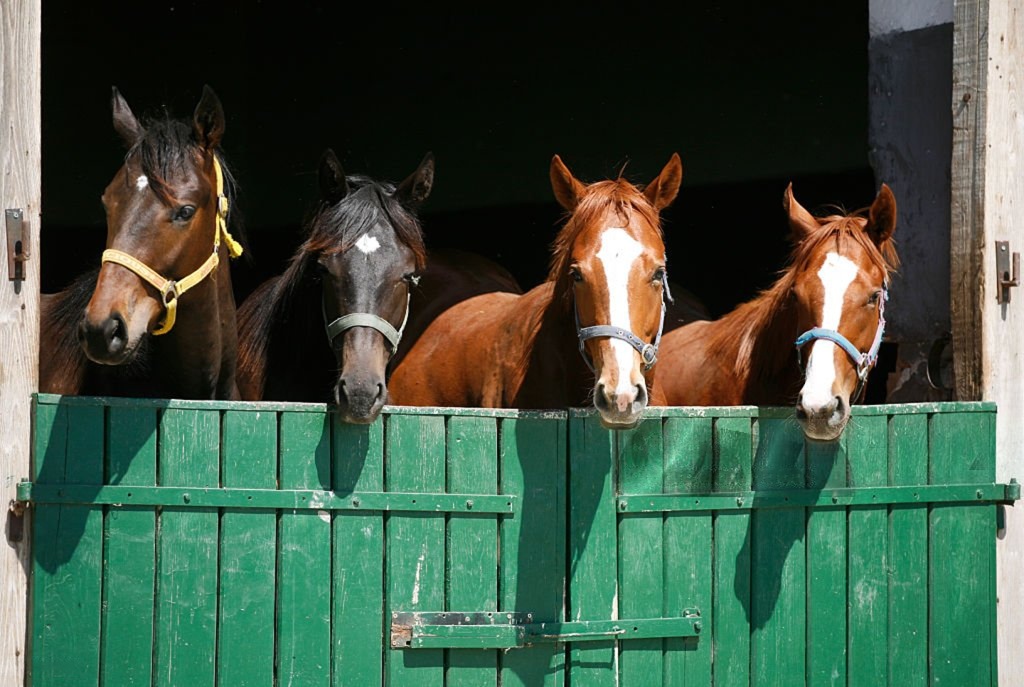
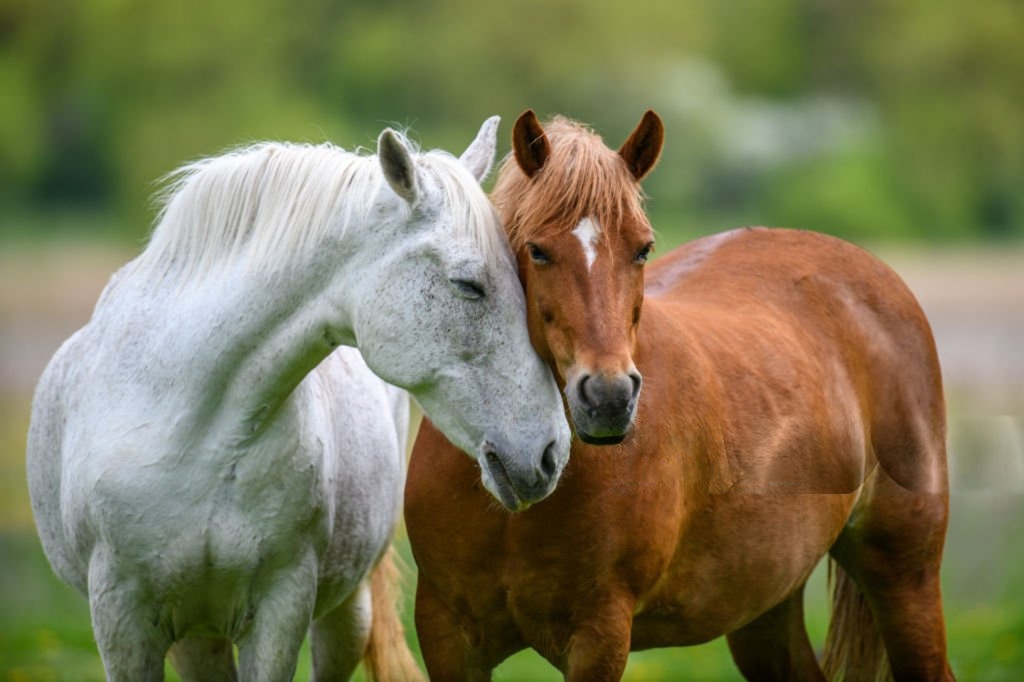
Featured Watercolor Techniques
- Loose Brushwork: Use confident, varied brushstrokes to suggest movement, form, and energy.
- Wet-into-Wet: Allow pigments to flow and blend naturally, creating soft transitions and expressive shapes.
- Charging: Introduce additional pigments into wet washes to create rich color variations.
- Splattering: Add energetic marks that suggest motion, texture, and atmosphere.
- Selective Detail: Define important features while leaving other areas unfinished or abstract.
- Limited Palette: Work with just three or four colors to encourage harmony and spontaneity.
Vocabulary
- Gesture: The visual movement and energy of a subject.
- Spontaneity: Painting intuitively with minimal hesitation or correction.
- Abstraction: Simplifying or exaggerating forms, colors, and marks.
- Charging: Adding pigment to an existing wet wash.
- Splatter: Applying droplets of paint to create expressive texture and movement.
- Lost and Found Edges: Alternating between defined and disappearing edges to suggest depth and atmosphere.
Painting Exercise: Capture the Motion
- Observe: Study your horse reference and identify the gesture, movement, and largest shapes.
- Set a Timer: Challenge yourself to complete an initial painting in 15–20 minutes.
- Paint Loosely: Begin with broad wet-into-wet washes, allowing colors to mingle.
- Charge and Splatter: Introduce darker pigments and expressive marks while the paper is still damp.
- Refine Selectively: Add just enough detail to establish the horse’s character without overworking the painting.
Expressive Animal Challenge
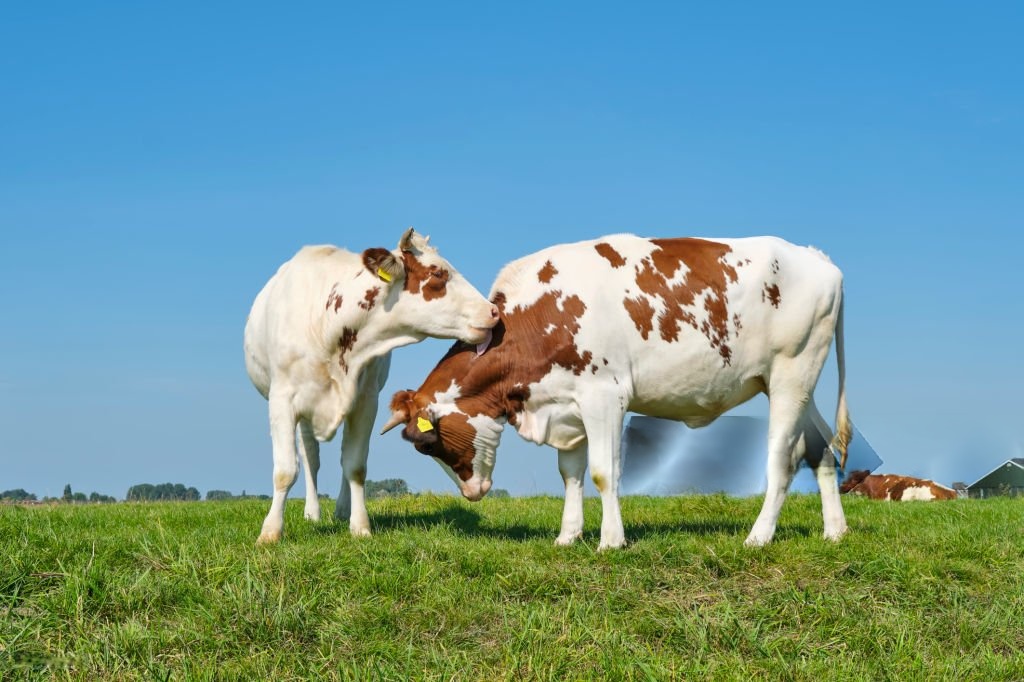
Yes, choose a different animal of your choice
Create an expressive animal using a limited palette and a timed painting session. Experiment with movement, abstraction, and energetic mark-making.
Remember: Not every edge needs to be defined, and not every detail needs to be painted. Let your brushstrokes communicate the movement. Focus on capturing the spirit of the horse rather than creating a perfect likeness.
Leave a Reply