Student Gallery


About This Class
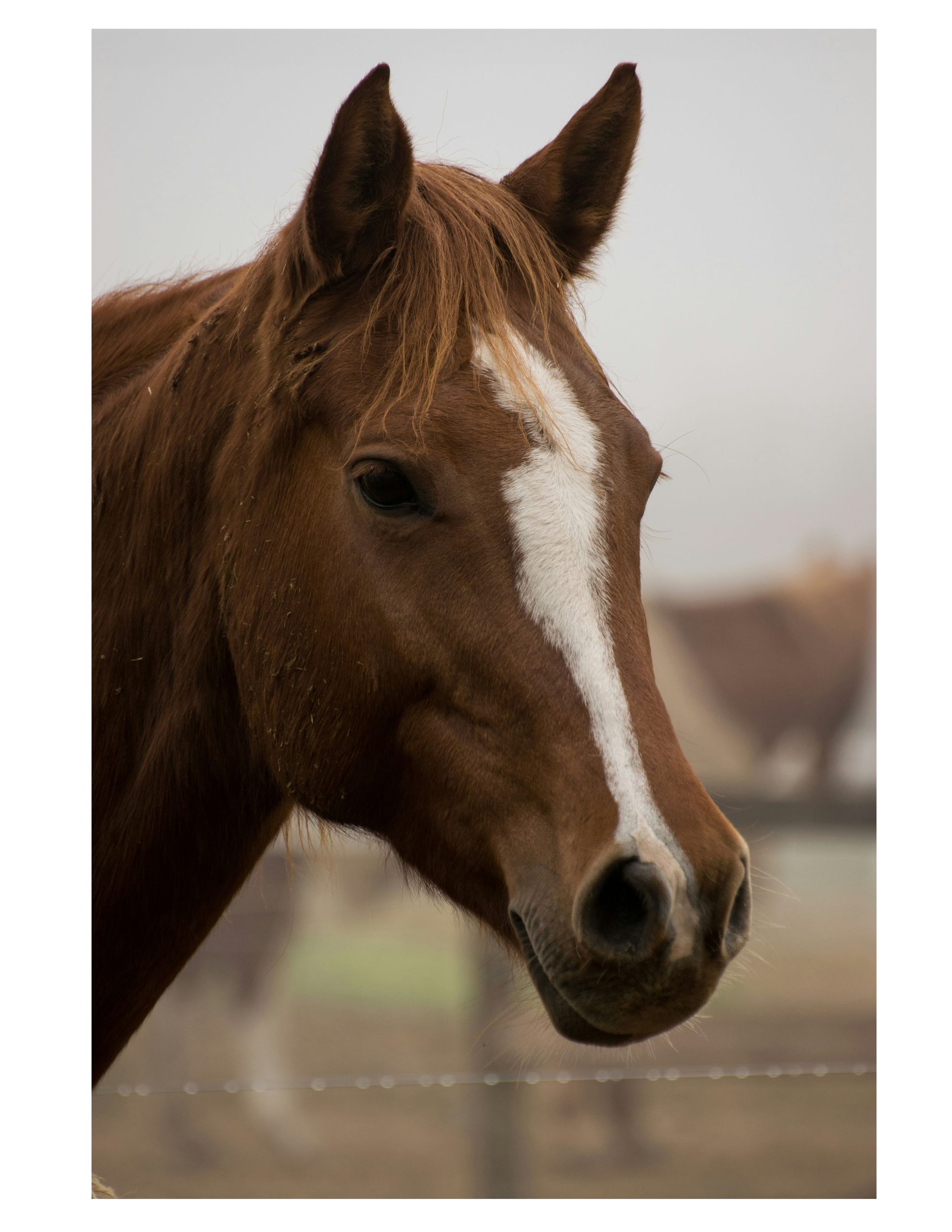
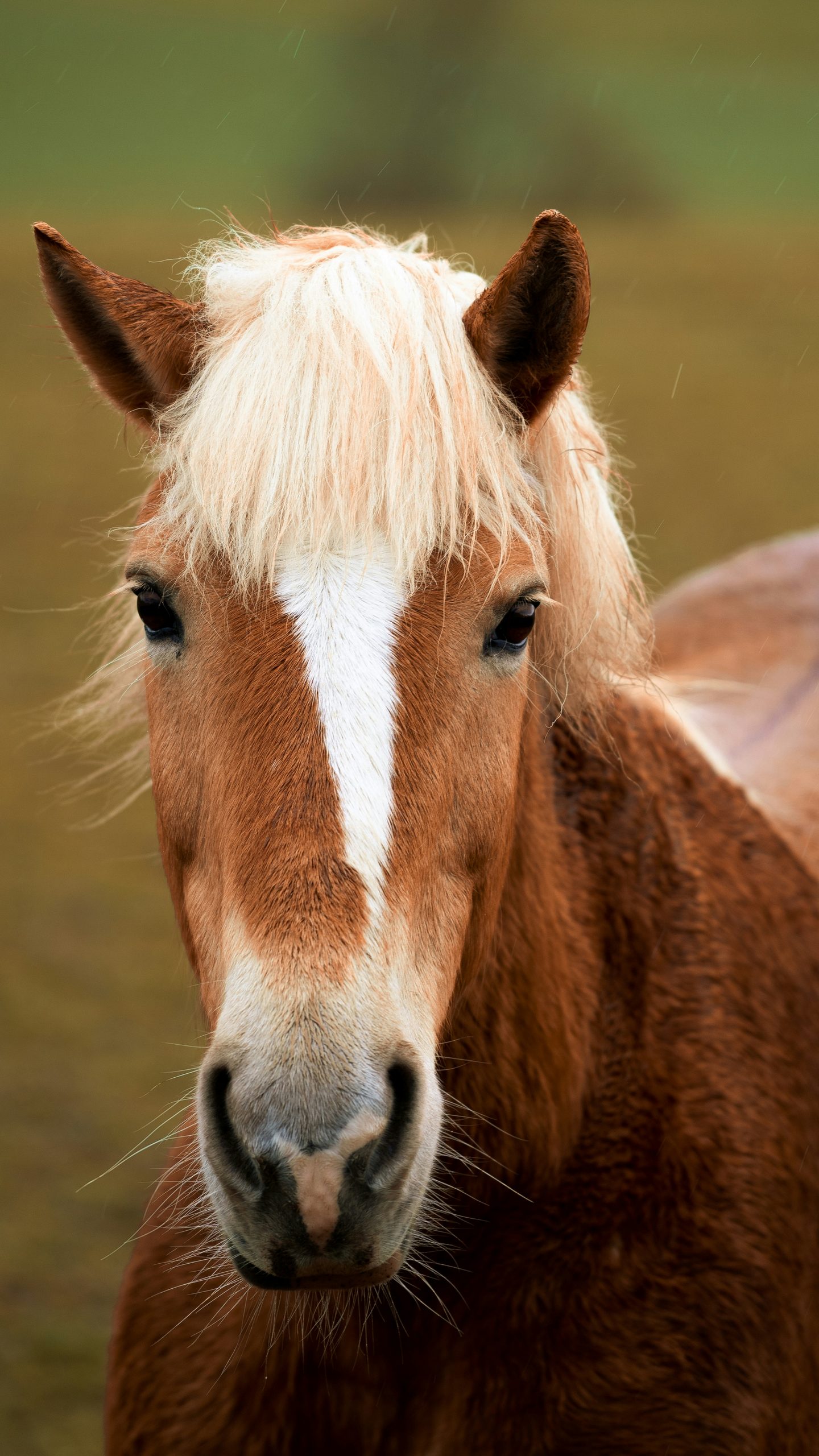
In this watercolor class, we will paint a ginger horse portrait using a limited color palette. Our focus will be on charging, wet-into-wet painting, and creating contrast through background color to develop luminosity, realistic form, and depth.
Students will explore how water and pigment interact while learning to preserve the white of the paper as an important source of light.
Featured Watercolor Techniques
1. Charging: Creating Rich, Natural Color
Charging is the technique of introducing additional pigment into an existing wet wash.
- Allow the pigments to blend naturally without excessive brushing.
- Use darker charges around the horse’s cheeks, neck, and facial contours to suggest form.
2. Wet-into-Wet: Creating Softness and Luminosity
Wet-into-wet allows pigments to flow and blend across a damp surface, producing soft edges and gradual transitions.
- Introduce darker values into the damp areas to create rounded shadows.
- Control moisture to avoid unwanted blooms and hard edges.
3. Background Contrast: Enhancing the White of the Paper
The white of watercolor paper is often our brightest highlight. A carefully selected background can make these untouched areas appear even more luminous.
- Preserve white paper along areas where light strikes the horse.
- Choose a complementary or contrasting background, such as muted blue, blue-gray, or cool violet.
Step-by-Step Painting Process
- Sketch: Draw or transfer the horse, identifying major shadows and highlights.
- Preserve Highlights: Leave selected areas of white paper untouched.
- First Wash: Apply a transparent ginger wash using wet-into-wet.
- Charge Color: Introduce deeper pigments while the first wash remains damp.
- Build Shadows: Use additional layers and glazing to strengthen facial structure.
- Paint the Background: Introduce cool or darker colors around the horse to enhance the preserved highlights.
- Final Details: Refine the eyes, nostrils, mane, and important hard and soft edges.
Class Project
Create a luminous watercolor horse portrait that demonstrates charging, wet-into-wet color transitions, and intentional background contrast.
Remember: The brightest white is often the paper itself. Protect your highlights, allow your pigments to move naturally, and use the background to make your subject shine.
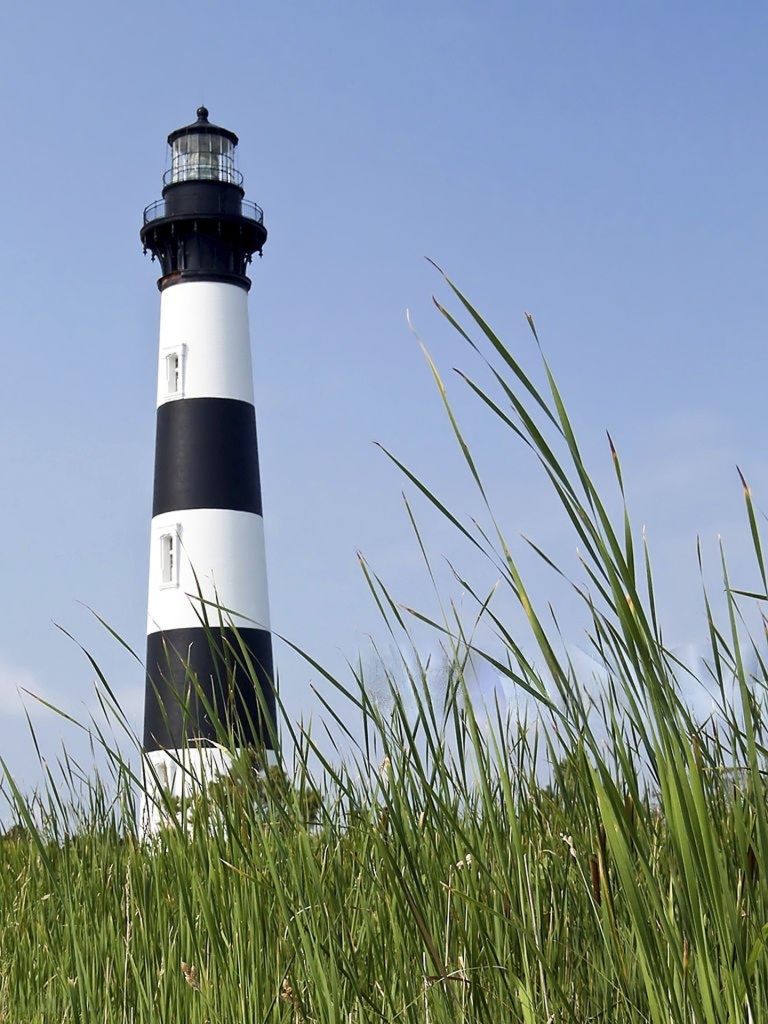
Next Week in Class image: Light House
Sky Practice : Youtube Video
Leave a Reply