Anatomy of a Shadow : Cezanne, Oil on Canvas, still life , 1878

One of the most exciting parts of learning to paint is discovering how light transforms ordinary objects into beautiful works of art. Whether you are painting a simple apple or an elaborate still life arrangement, understanding the anatomy of a painting helps artists create depth, realism, and visual interest.
This week, we will explore the different parts of a shadow and how they work together to create form.
The Highlight
The highlight is the brightest area of an object where the light source directly strikes its surface. Highlights help describe the shape and texture of an object and immediately tell the viewer where the light is coming from.
When painting fruit, highlights often appear as small bright spots on shiny surfaces such as apples, grapes, or pears.
The Core Shadow
The core shadow is the darkest area on the object itself. It occurs where the form turns away from the light and receives the least direct illumination. The core shadow gives volume and helps create the illusion of three-dimensional form.
Think of the core shadow as the backbone of your shading.
Reflected Light (Bounce Light)
Light doesn’t simply stop when it hits an object. It bounces off nearby surfaces and reflects back into the shadow side of the object. This softer light is called reflected light or bounce light.
For example, light may bounce off a tabletop and softly illuminate the lower portion of an apple. Reflected light is usually lighter than the core shadow but darker than the illuminated side.
Cast Shadow
A cast shadow is created when an object blocks light from reaching a surface behind or beneath it. Cast shadows help anchor objects to their surroundings and make still lifes feel believable.
Observe how the shadow changes shape depending on the angle of the light source.
Soft Edges and Hard Edges
Not all shadows have the same edge quality.
Hard edges appear where there is a strong, direct light source. These sharp transitions create drama and clarity.
Soft edges occur when light gradually transitions into shadow. Soft edges help create atmospheric effects and rounded forms.
Learning where to use hard and soft edges is one of the most powerful skills an artist can develop.
Contrast Creates Drama
Contrast is the difference between light and dark values. Strong contrast creates visual impact and helps guide the viewer’s eye through a painting.
When painting still life subjects, look for opportunities to place light objects against dark backgrounds or dark objects against lighter surfaces. This relationship creates excitement and strengthens your composition.
Why Fruit Makes an Excellent Still Life Subject
You tube Tutorial : Click Here
Visit Artist’s Blog : Click Here ( A Beginners Guide to Light & Shadow )
Fruit is one of the best tools for learning to paint because it provides:
- Simple geometric forms
- Interesting colors
- Natural highlights and shadows
- A variety of textures
- Opportunities to practice composition
Apples, bananas, oranges, pears, lemons, and grapes all respond differently to light and offer unique painting challenges. Even better, cutting fruit in half reveals new shapes, textures, and patterns that add visual interest to a composition.
Homework Assignment:
Design your own unique still-life arrangement using fruit and a single light source. Carefully observe how light creates highlights, shadows, and reflections to bring your composition to life.
Requirements
- Use a pieces of fruit.
- Arrange the objects in a creative composition.
- Include a flight source that creates visible shadows.
- Observe and paint the highlight, core shadow, reflected light, and cast shadow.
- Use both soft and hard edges where appropriate.
- Focus on creating strong contrast between light and dark areas.
Ideas for Your Composition
- Apples
- Bananas
- Oranges
- Pears
- Grapes
- Lemons
- Cut fruit halves
- Fruit placed on colorful fabric or patterned surfaces
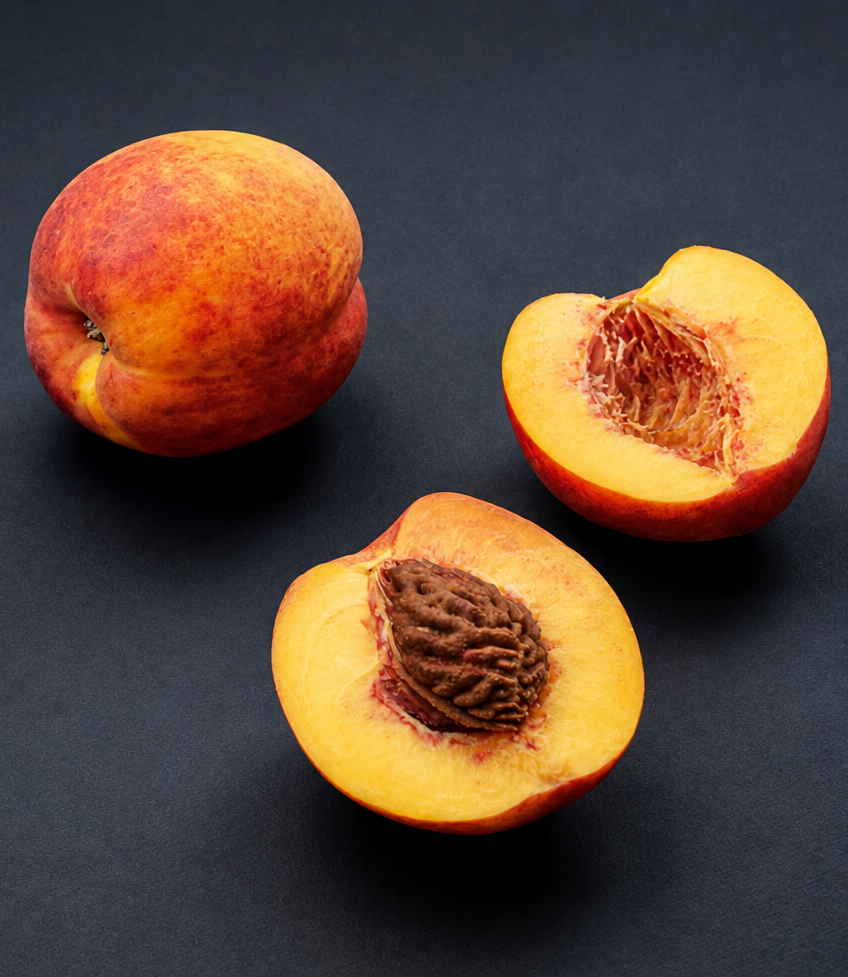
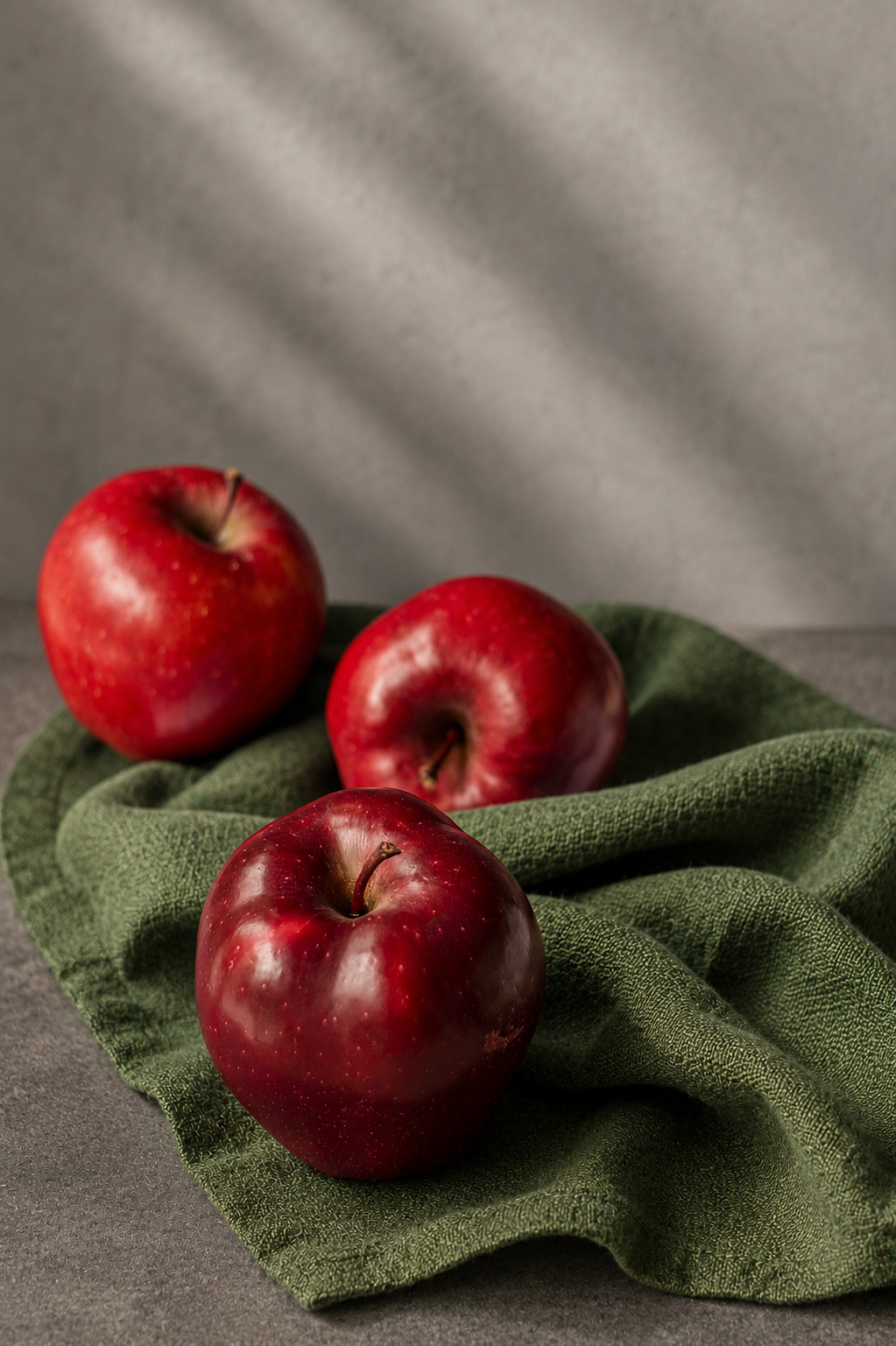
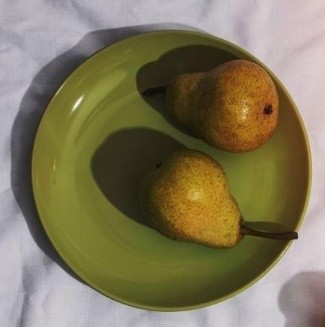

Experiment with different arrangements, heights, overlapping forms, and lighting angles to create a composition that is uniquely your own.
Remember, every great painting begins with careful observation. Take time to study the way light interacts with your objects before picking up your brush. Understanding the anatomy of a painting will help you create artwork that feels alive, dimensional, and full of visual impact.