One of the most expressive tools available to watercolor artists is the use of edges. The way one shape transitions into another can create focus, atmosphere, movement, and depth. In our upcoming watercolor course, we will explore four important types of edges and learn how to use them intentionally in our paintings.


You tube
1. Hard Edges: Creating Definition
Hard edges occur when wet paint is applied to dry paper (often called the wet-on-dry technique). Because the paper is dry, the paint stays where it is placed, creating crisp, clean boundaries.
Hard edges are useful for:
- Defining focal points
- Creating contrast
- Emphasizing important details
- Showing sharp forms and textures
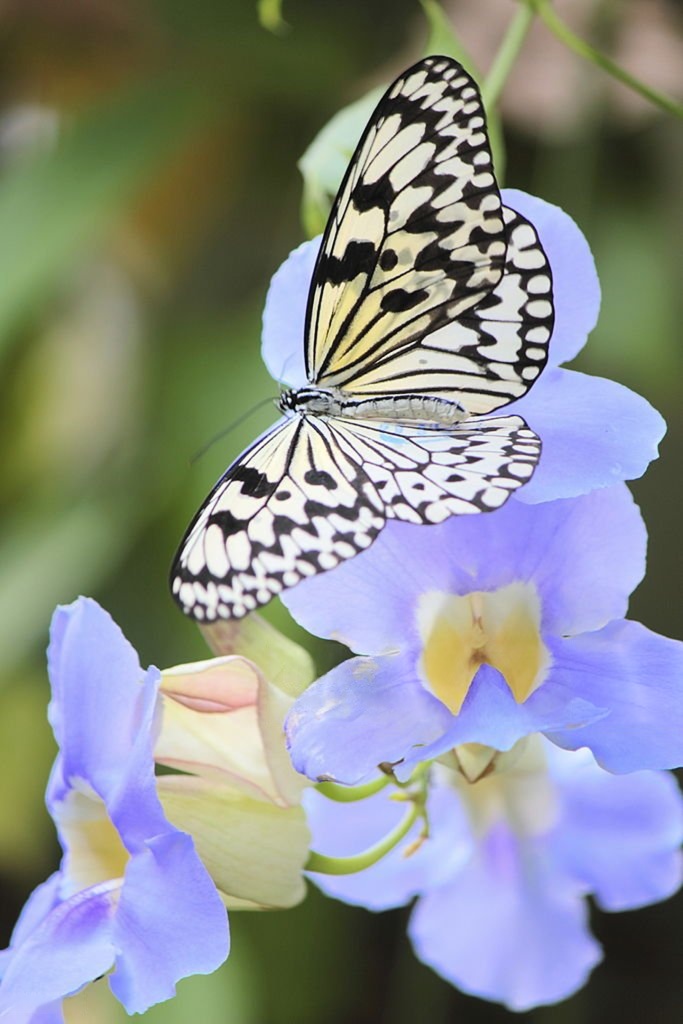
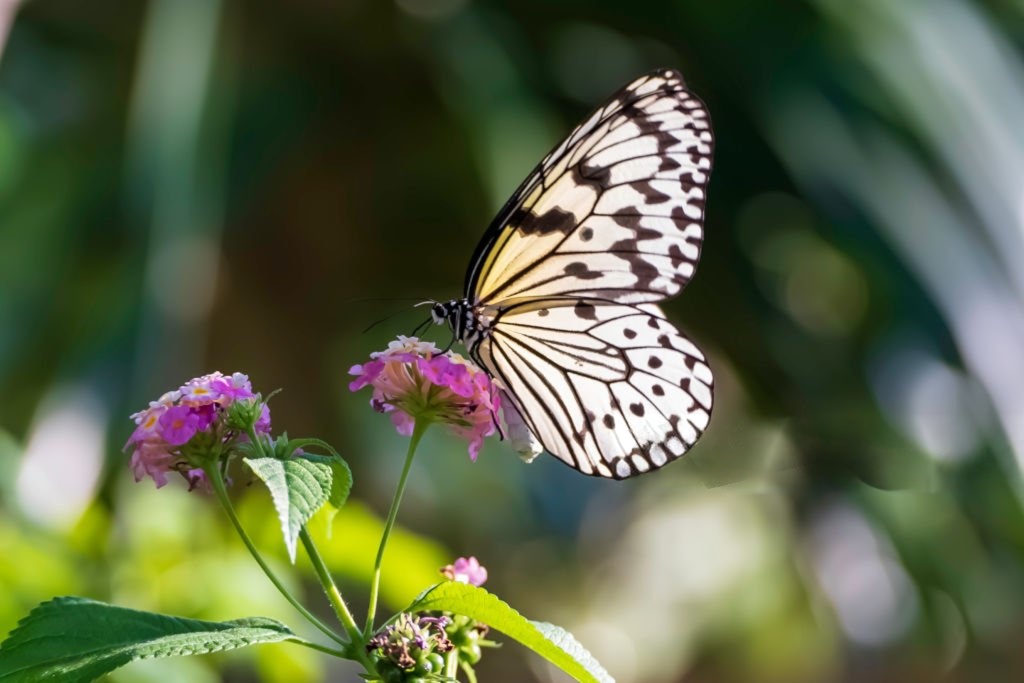
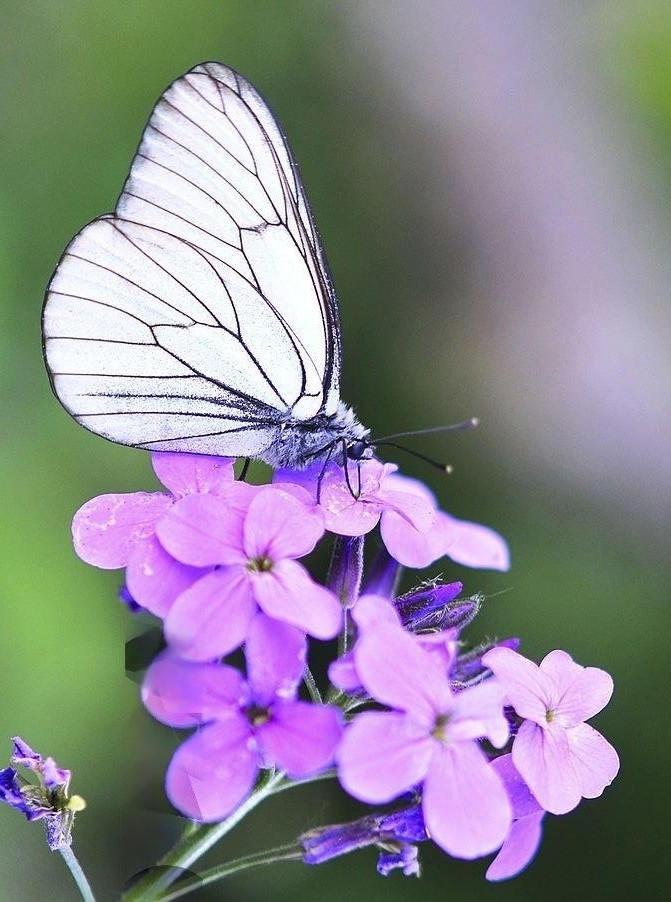
In a floral painting, hard edges might be used on the petals closest to the viewer or on the detailed markings of a butterfly’s wings.
2. Soft Edges: Creating Gentle Transitions
Soft edges are created by applying paint to wet paper, often called the wet-on-wet technique. The paint softly diffuses into the surrounding moisture, producing delicate transitions.
Soft edges are useful for:
- Creating atmosphere
- Suggesting movement
- Indicating distance
- Softening forms
Flowers, leaves, and butterfly wings often benefit from soft edges that suggest light and air moving through the composition.
3. Broken Edges: Adding Texture and Energy
Broken edges are created using a dry brush technique. With less water and more pigment on the brush, paint skips across the paper’s texture, leaving areas of white paper exposed.
Broken edges are useful for:
- Creating texture
- Suggesting rough surfaces
- Adding visual interest
- Introducing abstraction and spontaneity
This technique works beautifully for textured petals, weathered branches, feathers, and abstract background passages.
4. Lost Edges: Creating Mystery and Depth
Lost edges occur when shapes dissolve into one another because they share similar values and colors. These are often created using wet-into-wet techniques where foreground and background blend together.
Lost edges are useful for:
- Creating depth
- Directing the viewer’s eye
- Suggesting atmosphere
- Simplifying busy compositions
A flower petal may softly disappear into a shadowed background, or a bird’s feathers may merge into surrounding foliage. These subtle transitions often create some of the most beautiful passages in a watercolor painting.
Your Painting Assignment
As you work on your watercolor project, try incorporating all four edge types into your composition. You may choose:
- A floral and butterfly painting
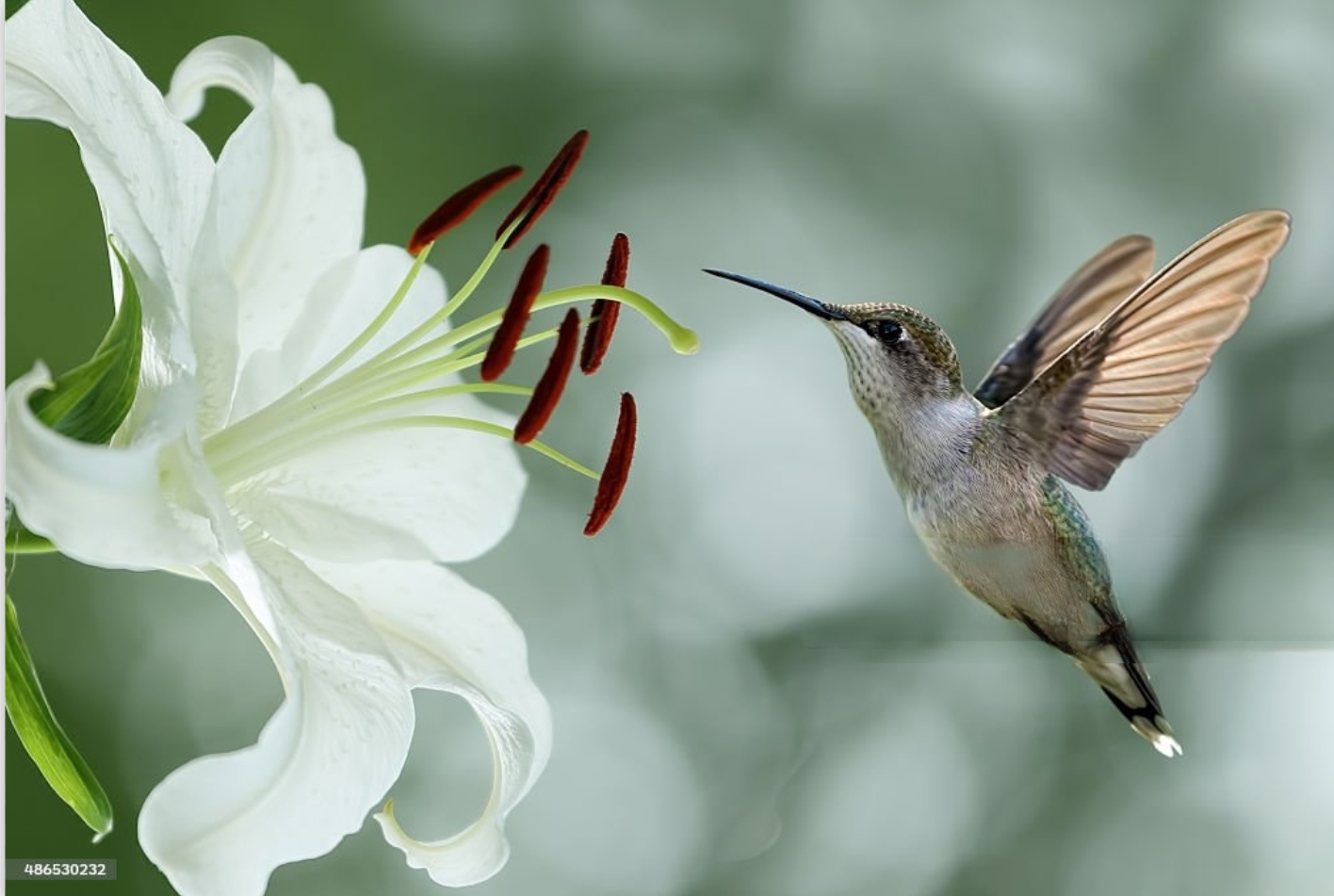
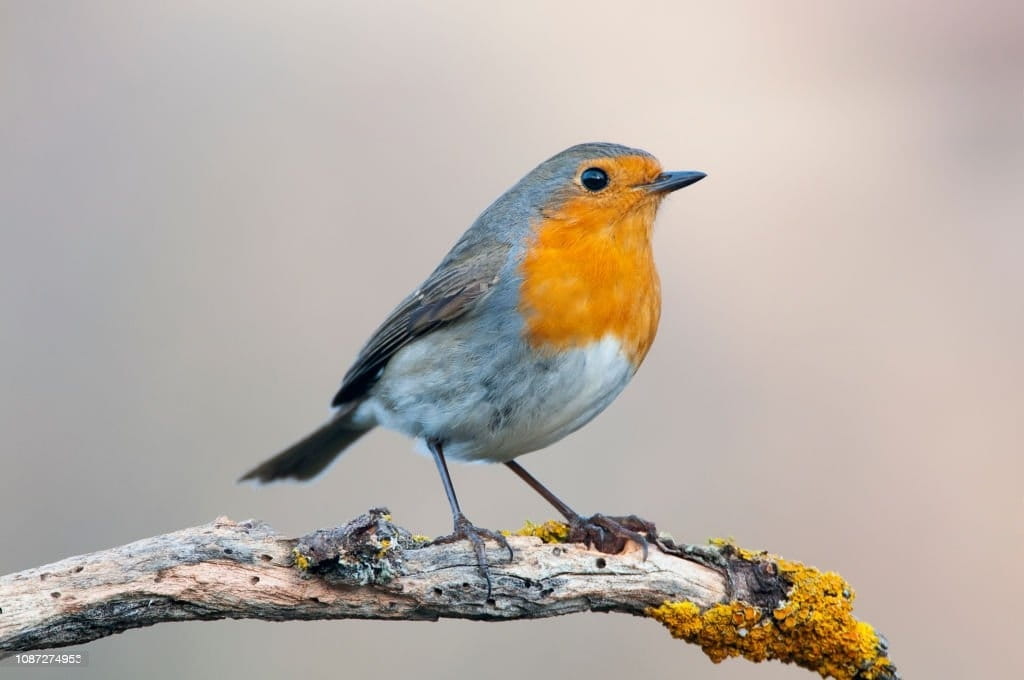
- A bird and floral composition
As you paint, ask yourself:
- Where do I want the viewer to look first?
- Which edges should be sharp and defined?
- Which areas can soften and blend?
- Where can texture add interest?
- Where can forms dissolve to create depth and atmosphere?
The most successful watercolor paintings often contain a variety of edges working together to create balance, movement, and visual interest.
I look forward to seeing your completed works in class and discussing how you’ve used these techniques to strengthen your paintings. Happy painting!
__________________
Homework : Draw for Next Class