A LOOK AT MASTER PAINTER HOMER
Class Assignment


Choose one of Winslow Homer’s watercolor paintings as your reference.
As you paint, focus on:
- Preserving the white of the paper
- Using transparent washes
- Building values gradually
- Mixing clean, vibrant colors
- Using expressive, confident brushstrokes
- Simplifying shapes instead of chasing every detail
Don’t worry about making an exact copy. Think of this exercise as a conversation with the master learning from his decisions while developing your own artistic voice.
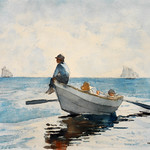
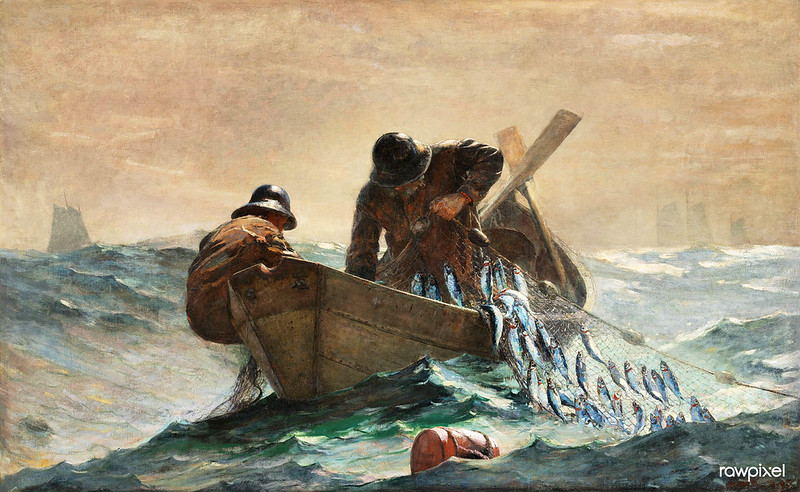
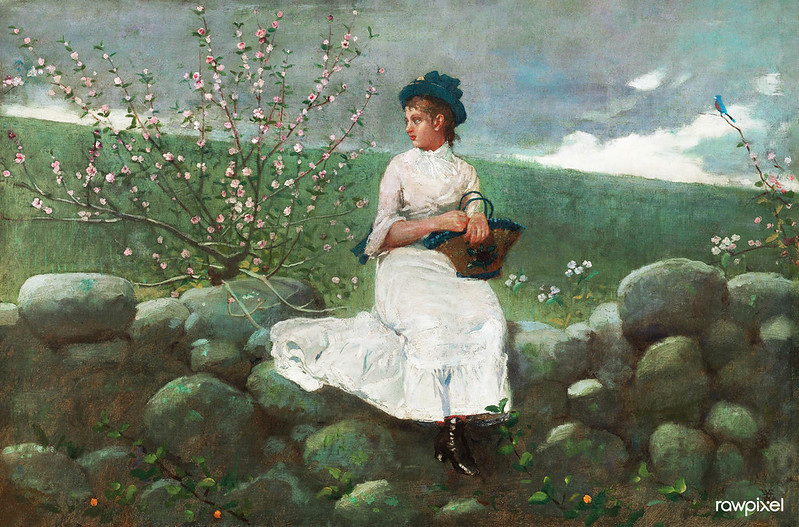
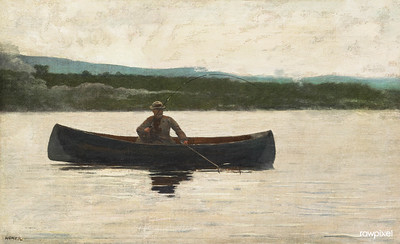
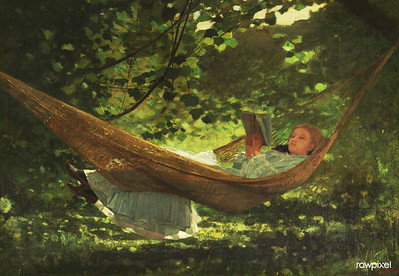
A Look at Master Painter Homer
Learning Watercolor by Recreating a Masterpiece
One of the best ways to grow as an artist is to study the work of the masters. This week, we’ll explore the watercolor paintings of Winslow Homer, one of America’s greatest painters and one of the most influential watercolor artists in history. By recreating one of Homer’s watercolor paintings, you’ll gain insight into his techniques while developing your own confidence with the medium.
Who Was Winslow Homer?
Winslow Homer (1836–1910) began his career as an illustrator before becoming one of America’s most celebrated painters. Although he worked in oil, his watercolor paintings are considered among the finest ever created. Homer traveled extensively, painting coastal scenes in New England, the Adirondacks, the Caribbean, and the Bahamas. His work captures the power of nature, changing light, and everyday life with remarkable honesty and freshness.
Unlike many artists of his time, Homer embraced watercolor as a finished fine art medium rather than simply a tool for sketches. His paintings demonstrate bold brushwork, luminous color, and careful preservation of the white paper.
What Can We Learn from Homer?
Preserve the White Paper
Homer often left areas of untouched paper to represent sunlight, sparkling water, or bright highlights. Instead of painting white, allow the paper to shine through.
Paint Light to Dark
Begin with transparent washes and gradually build darker values. Watercolor works best when layers remain fresh and luminous.
Simplify Shapes
Rather than painting every tiny detail, Homer suggested forms with confident, economical brushstrokes. Look for large shapes before focusing on smaller details.
Create Strong Values
Notice the contrast between light and shadow. Strong value relationships help create depth and make your painting feel more realistic.
Let the Watercolor Flow
Work in Wet on Wet to create a soft effortless blends. Avoid overworking the paper. Homer allowed colors to blend naturally, creating beautiful soft transitions and expressive textures.
Reflection
After completing your painting, ask yourself:
- Where did I successfully preserve the white paper?
- Which areas show the strongest contrast?
- Did I allow the watercolor to flow naturally?
- How did simplifying shapes improve the composition?
- What techniques from Homer will I continue using in my own paintings?
Homework Challenge
Create an original watercolor inspired by Winslow Homer. Use one or more of his techniques—strong value contrast, preserved whites, simplified forms, or expressive brushwork—but choose your own subject. Whether it’s a landscape, beach scene, or figure painting, let Homer’s influence guide your process while creating something uniquely yours.
“The great masters teach us not what to copy, but how to truly see.” This week, let Winslow Homer inspire you to observe light, simplify your subject, and trust the beauty of watercolor.
No Class Next Week July 2 :
Line and Wash Practice : Complete a line drawing see blog below
Homework for July 9 : Click Here