Artwork by Ida Mae


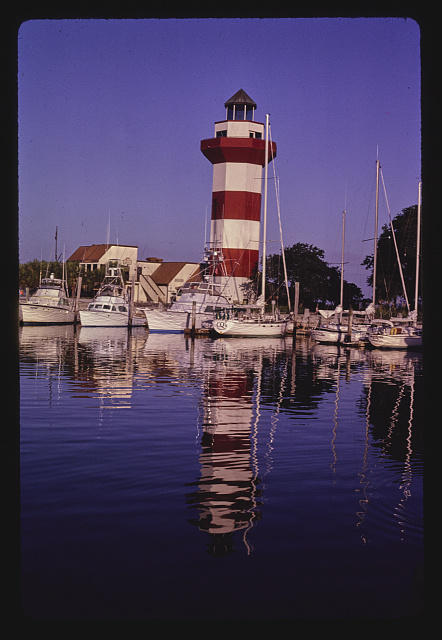
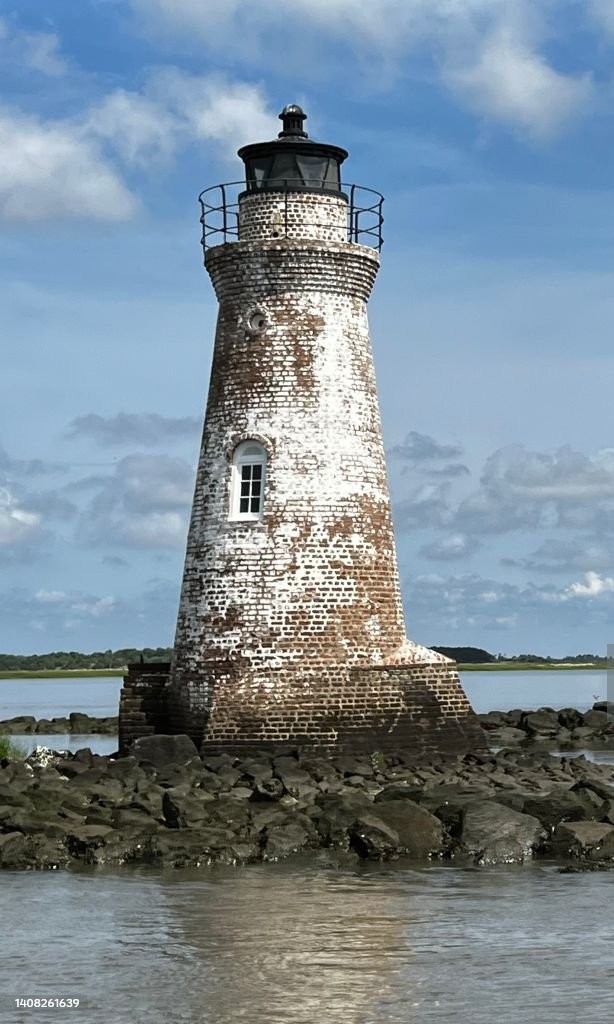
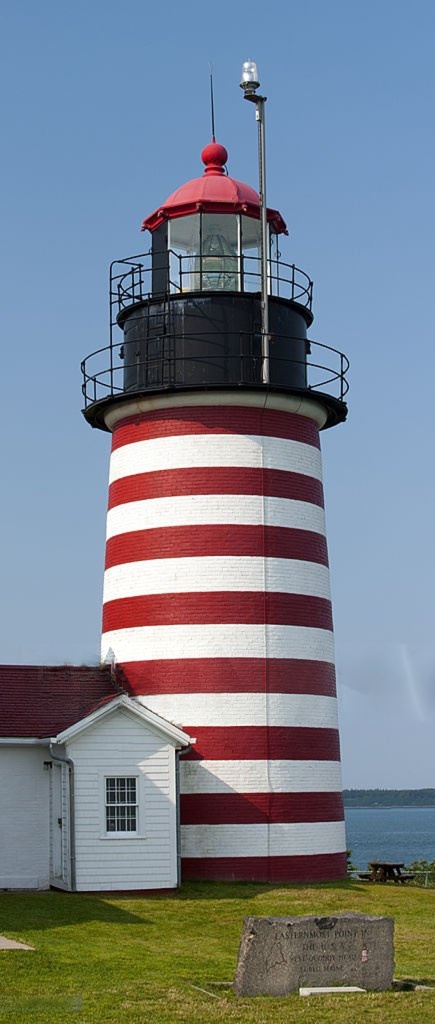
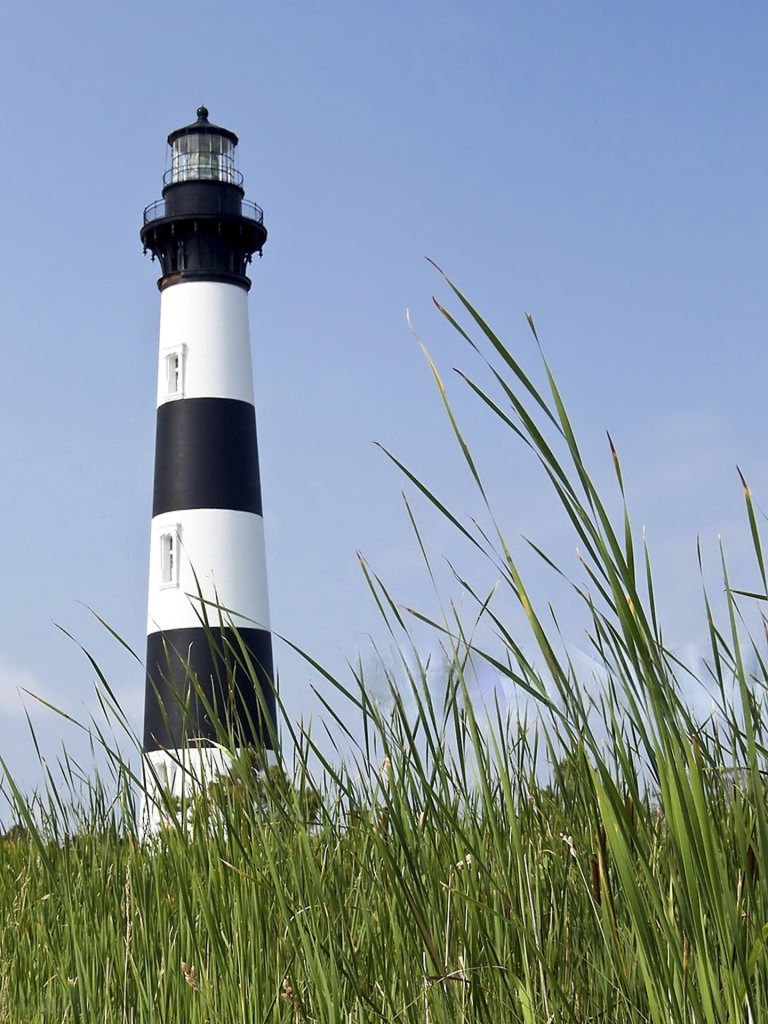
There is perhaps no subject more rewarding for an artist than a lighthouse. After you complete your painting add a matt and celebrate your art!
It is a study in contrasts: the rigid, man-made structure standing defiant against the soft, ever-changing chaos of nature. But if the lighthouse is the story, the sky is the emotion.
The Subject: A Study in Contrasts
Before we dive into the wet stuff, let’s talk about the bones of the painting: the lighthouse itself. Because we are going to be bold and expressive with the sky, our line work needs to be confident.
Use frisket to create a hard line and silhouette to capture the architecture. Opaque washes will help detail the railings, the lantern room, and the stripes on the tower. It is the one thing that will remain perfectly still while the sky around it swirls with color.
Creating the Atmosphere: A Sky Study
For a lighthouse, the sky can tell us if it’s a calm morning, a stormy afternoon, ora bold and creative sunset.
To achieve a luminous, atmospheric sky, we need to employ a few key watercolor techniques. Keep your palette limited to encourage color harmony, but don’t be shy with the pigments you choose.
1. The Foundation: The Wet-into-Wet Wash
Start by wetting your sky area with clean water. The paper should be damp, not puddling. While it is still glistening, drop in your first colors.
- Practice: Load your brush with a vibrant yellow or orange and touch it to the damp paper near the horizon line. Watch it bloom.
- Wet into Wet Wash: This soft bleed is the hallmark of atmosphere. It suggests the soft, diffused light of a setting sun without hard edges. Let the colors mix organically on the paper.
2. Adding Depth: Booms and Charging
- Charging: This is the technique of pulling a strong, concentrated color from your brush into a damp area. For a sunset, charge in some deep magentas, violets, or even a bold crimson above the horizon line. Let the color “branch out” organically.
- Booms: Think of “booms” as bursts of color. If you want a sudden flare of pink or a streak of orange to mimic a sun-ray, load your brush with a high-pigment mix and touch it to the paper. The paint will explode softly into the damp surface, creating a beautiful, nebula-like effect.
3. Creating Texture in your foreground
- The Technique: Load a stiff brush (like an old toothbrush or a rigger brush) Hold it over your painting and run your thumb through the bristles, flicking fine droplets onto the surface. You can use for grass, sand or water
4. Unifying the Mood: Glazing
If you want to tie the lighthouse into the atmosphere, use glazing.
- The Technique: Mix a very thin, transparent wash to apply it gently to create details and shadows.
- The Effect: This thin layer acts like a spot light! You do not have light without shadows. Use your shadows to show where the light is coming from.
When painting a sunset behind a lighthouse, nature provides the inspiration, but you provide the drama. Don’t be afraid to push the colors.
- If the sky feels like violet, make it deeper.
- If you see a hint of orange, let it boom across the page.
- If the atmosphere calls for a misty spray, splatter it with confidence.
I love to see the wonderful work of my students check out this Student Gallery!


Check out the past blog posts : Click Here
Your next painting will be better. Your next sky will be bolder. Happy painting!
Leave a Reply