Few artists have captured emotion and movement through paint as powerfully as Vincent van Gogh. His swirling skies, energetic brushstrokes, and bold use of color continue to inspire artists today.


What Was Impressionism?
The Impressionist movement emerged in France. Rather than creating smooth, highly detailed paintings, Impressionists used visible brushstrokes, vibrant colors, and broken marks to suggest movement and energy.
Artists focused on:
- Used to show light and atmosphere
- Using visible brushstrokes
- Mixing colors optically rather than blending everything smoothly
- Used complementary colors to create contrast
- Applied thick, expressive paint strokes
- Repeated marks and patterns to create rhythm
- Allow brushstrokes to become part of the subject itself
Optical Blending with Complementary Colors
Colors opposite each other on the color wheel create strong visual energy when placed side by side.
Youtube Video : Click Here
Examples :
- Blue and Orange
- Red and Green
- Yellow and Violet
Try placing small touches of complementary colors next to one another instead of mixing them together. The eye blends them naturally, creating a sparkling effect.
Warm and Cool Colors
Warm colors advance toward the viewer while cool colors recede.
Youtube video : Click Here
- Warm colors for focal points move forward to create emphasis
- Cool colors for backgrounds and distant spaces
This creates depth and movement within your painting.
Color Variation
Avoid painting objects with only one color. A green tree may contain:
Youtube video : Click Here
- Yellow-greens
- Blue-greens
- Warm greens
- Touches of red or violet in the shadows
This variation creates a richer and more dynamic surface.
Develop a Brushstroke Unique to You
One of the most exciting parts of Impressionistic painting is discovering your own mark-making style. The goal is not to copy Van Gogh’s brushstrokes but to develop a visual language that is uniquely yours.
Experiment with:
- Short dashes
- Curved strokes
- Cross-hatched marks
- Thick palette knife applications
- Circular strokes
- Broken color patterns
Ask yourself:
- What type of stroke feels natural?
- What pattern repeats throughout your painting?
- How can your marks create movement?
Class Assignment
Create an acrylic painting inspired by the Impressionist approach.
Whether you paint a landscape, flowers, a city street, or a still life, let color and brushwork tell the story. Remember that Impressionistic painting is not about perfection but it’s about energy, movement, and personal expression.
Homework :
Monochromatic Bust Painting : Paint Neutral Grey background


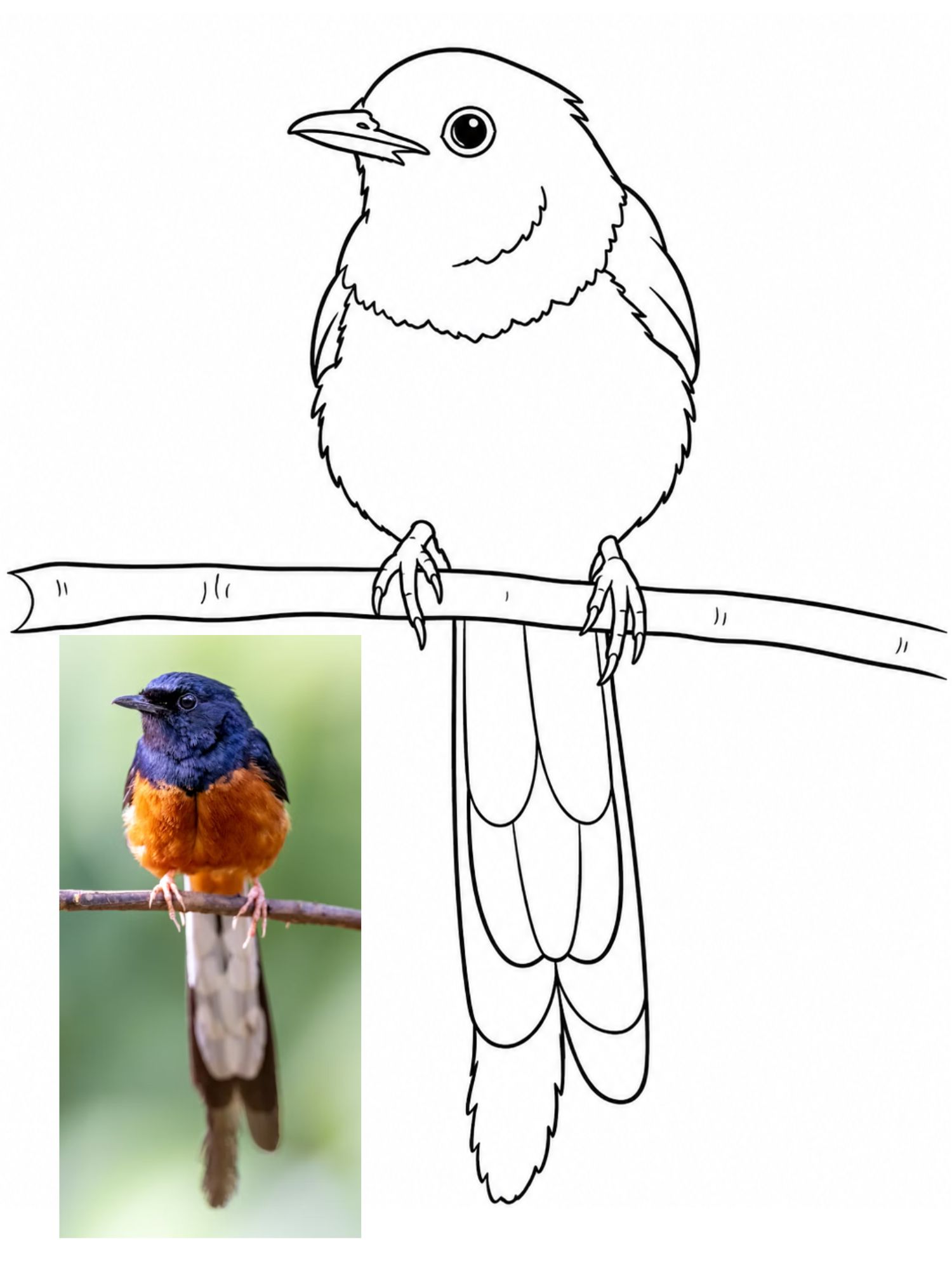
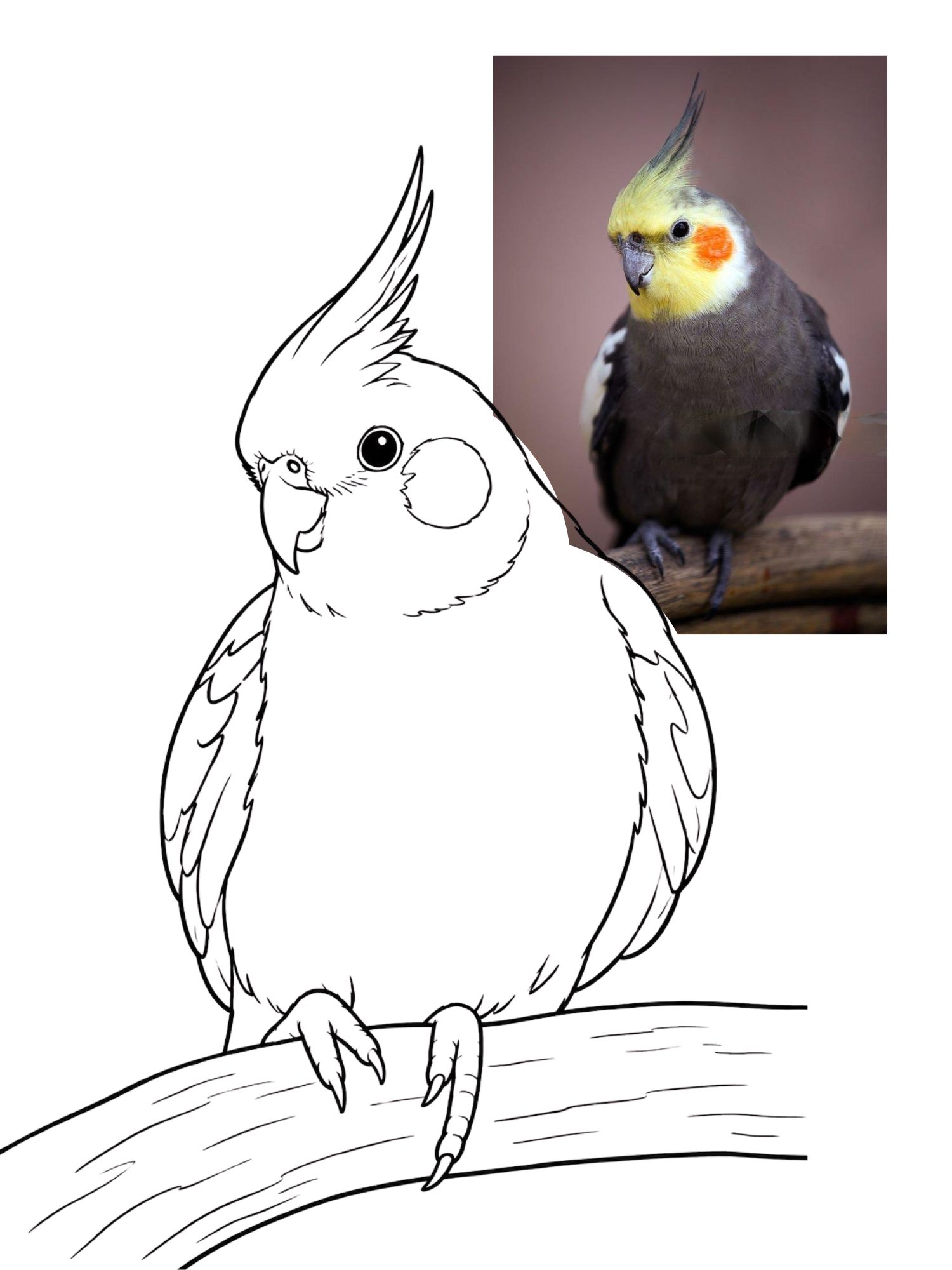
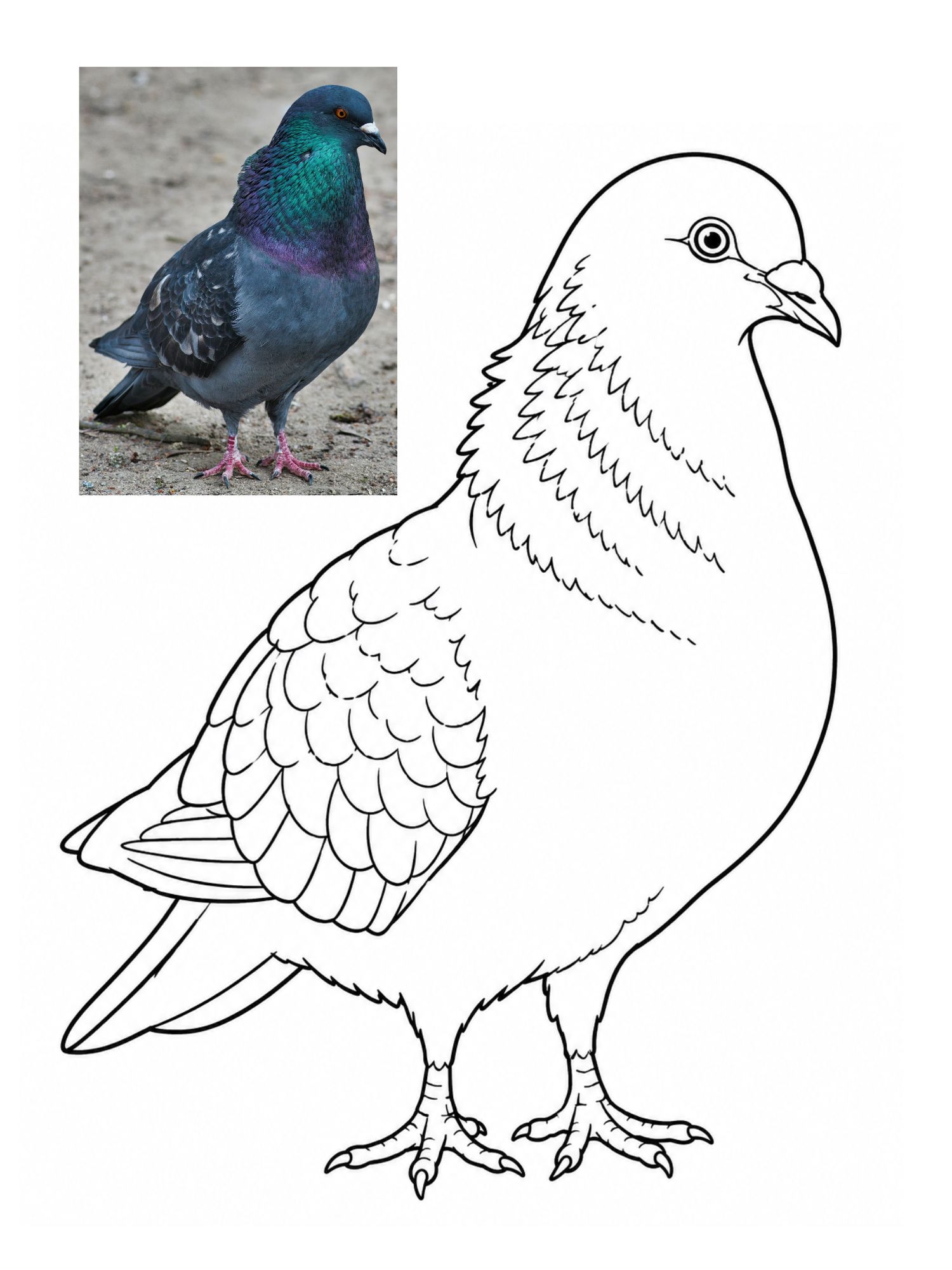
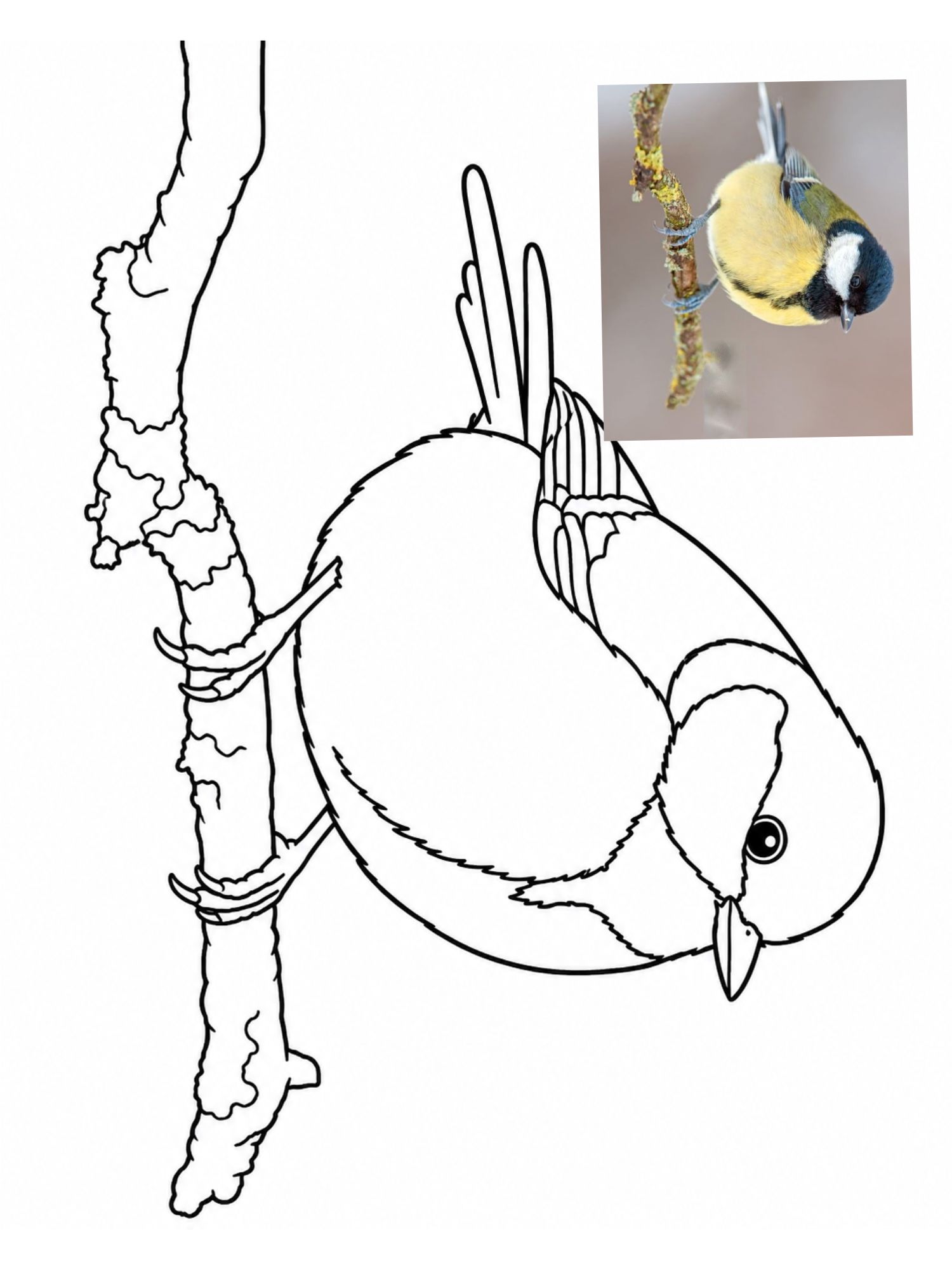
- Paint from photo of choice
- Demo on Monochromatic techniques
- How to paint using glazing