Written by Ida Mae

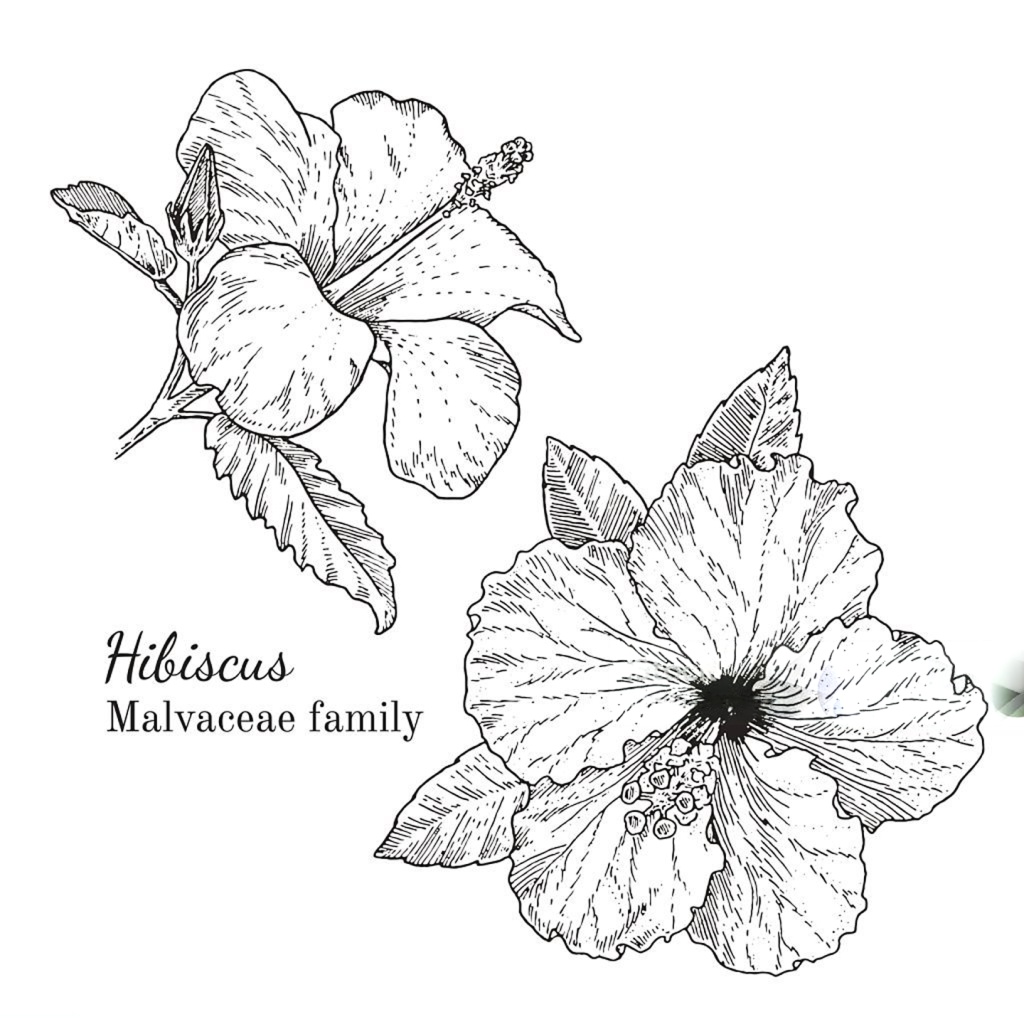
There’s something undeniably captivating about tropical prints. These hibiscus flowers can be paired with deep green monstera leaves or even vibrant parrots to evoke a feeling of warmth, relaxation, and paradise. Here we will attempt capturing the Hibiscus essence through fluid, luminous art of watercolor.
Before your florals hit the fabric of your favorite Hawaiian shirt, bathing suit, let’s pull back the curtain and explore the key watercolor techniques that bring our tropical prints to life.
“Watercolor has a mind of its own. The best results often come from a collaboration between the artist and the medium, not a dictatorship.”
— Yellena James ( Click Here view more artwork )

The Core Techniques: A Watercolorist’s Toolkit
(For more practice Click Here)
- Wet into Wet
We wet the paper first, then introduce color. The pigment blooms and spreads organically, creating those beautiful, unpredictable soft edges. It’s all about surrendering control to the water. - Wet into Dry
For crisp, defined edges, we apply wet paint to a completely dry paper surface. This technique allows for precision and is essential for adding the final details. - Glazing
To create depth and luminosity glazing is the key. It involves applying a thin, transparent layer of paint (a glaze) over a completely dry layer underneath. We might glaze a warm red over a yellow base to create a brilliantly vibrant floral. This will allow the underlying color to shine through. - Scumbling – Dry Brush
This is a more textural approach. Using a dry-ish brush with thick pigment, we scrub the color onto the paper in irregular strokes. It’s fantastic for creating the rough texture. - Charging
This is where the magic of color mixing happens directly on the paper. While an area of paint is still wet, we “charge” in a second, often more concentrated, color. The two pigments mix and bloom together naturally, creating gorgeous gradients and variations. - Dragging
Dragging allows you to move pigment as it is pulled quickly across the surface of the paper. This works the best with wet into wet. Try charging a color and moving it to another part of the surface.
Water Control The “Tea, Coffee, Milk, Cream, Butter” Analogy ( Click Here )
Every watercolorist has their own way of describing paint consistency.
- Tea: A very pale, watery wash. Perfect for subtle sky washes or the faintest hint of color.
- Coffee: A stronger, mid-tone wash. This is your workhorse for building up base colors.
- Milk: A creamy, fluid consistency that holds a shape but still flows easily. Ideal for most painting.
- Cream: Thicker and more pigmented. This holds a sharp edge and is used for stronger statements.
- Butter: A very thick, almost paste-like pigment straight from the tube. Used for the darkest darks and sharpest details.
Homework : Part 1: Illustrate a Garment with any Themed Print
First, choose ONE of the following garments to design for:


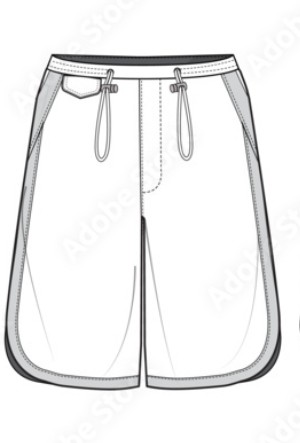
- Bathing Suit
- Swimming Trunks
- T-shirt (Adult or Child)
- A Family “Air-loo” (a matching set for 2+ family members, e.g., dad’s shirt + child’s dress)
Next, choose a Tropical Color Pallet that will guide your patterns:
- (Rich reds, oranges, deep purples, blacks)
- (Teals, blues, bright yellows, pops of magenta)
- (Various greens, earthy browns, with flashes of tropical bird colors)
Part 2: Technique Practice Trace a garment and add florals ( CLICK HERE)
In each section, practice creating a pattern or texture specific to your chosen theme using the core techniques.
- Wet-into-Wet: Create a soft, blended background
- Wet-into-Dry: Paint a crisp, defined shape
- Glazing: Layer a transparent color over a dry, simple pattern to create depth and a new hue.
- Scumbling/Dragging: Create a rough texture
- Charging: Drop a second color into a wet area of paint and let them blend naturally (e.g., inside a flower petal).
- Water Control: Consider the transparency of color to create a change of value. Light blue should include 50% of water while dark blue should include 10% water.


One response to “Aloha Hibiscus”
автомобиль танк стоимость http://tank-3001.ru