Objectives
- Learn how to balance wet-into-wet and wet-on-dry watercolor techniques within a single composition.
- Understand how to use color temperature, value, and glazing to create spatial depth.
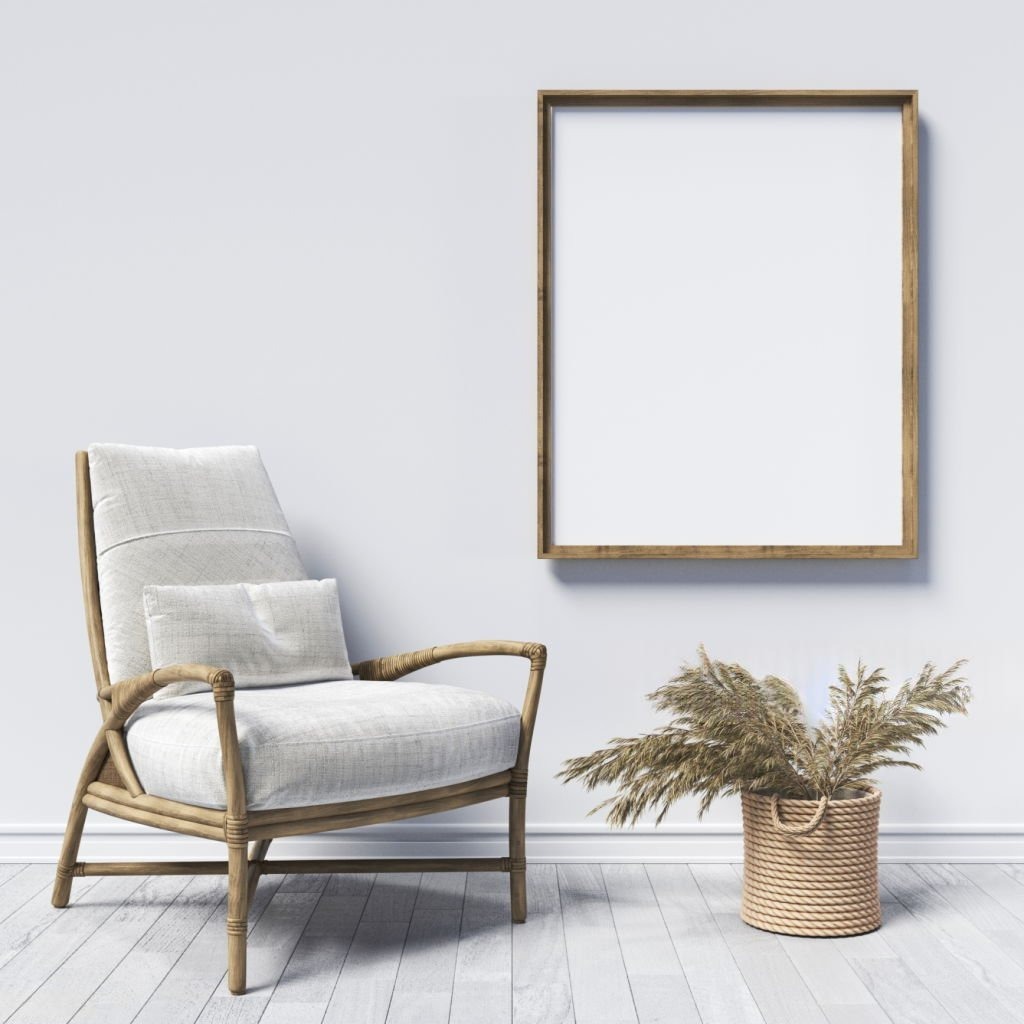
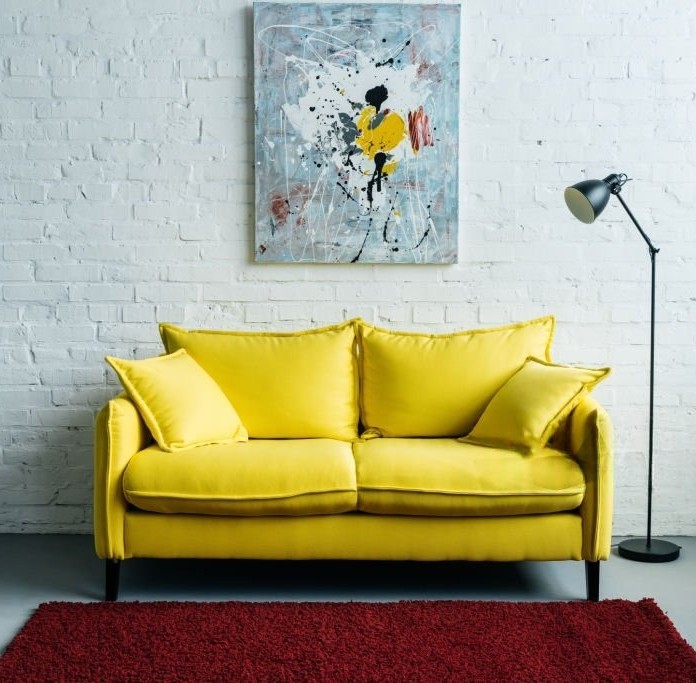
- Practice designing a cohesive interior composition (featuring chairs and a framed painting on the wall).
- Develop confidence in transitioning between soft, atmospheric washes and crisp, detailed areas.
Watercolor Edges
One method of achieving distance in your painting is to use edges strategically. The general rule you should remember is that hard edges appear closer to the viewer and soft edges fade into the distance.
In any watercolour painting, the mastery of soft and hard edges – is crucial. These techniques help in defining the character and depth of your painting. There are several different types of edges that you can use in your watercolour paintings, and sometimes they are referred to as ‘lost and found’ edges.
- hard (found)
- soft (lost)
- lost (lost)
- broken (found)
Elements of creating Mood and Atmosphere:
- Soft and Hazy– low value contrast, soft edges, muted, analogous colors
2. Medium Mellow– mid range for the set
3. Sharp Staccato– high contrast, hard edges, complimentary colors
Here’s a breakdown of how you can manipulate these edges effectively:
Benefits for Students
- Improved control: Managing timing between wet and dry areas enhances brush discipline.
- Understanding spatial depth: Students see how edges, value, and temperature guide the eye through a painting.
- Confidence in layering: Glazing teaches patience and subtlety.
- Balance between intuition and precision: Soft sections nurture expressive freedom; hard edges build structure.