American realist painter Andrew Wyeth (1917–2009) was known for capturing the quiet beauty of rural American life. His landscapes, weathered buildings, bare trees, and familiar surroundings often communicate powerful emotions through simple compositions and restrained colors.
Wyeth frequently worked with a limited palette of earthy browns, muted greens, soft grays, and warm ochres. Rather than relying on bright colors, he created atmosphere through subtle changes in value, texture, and light.
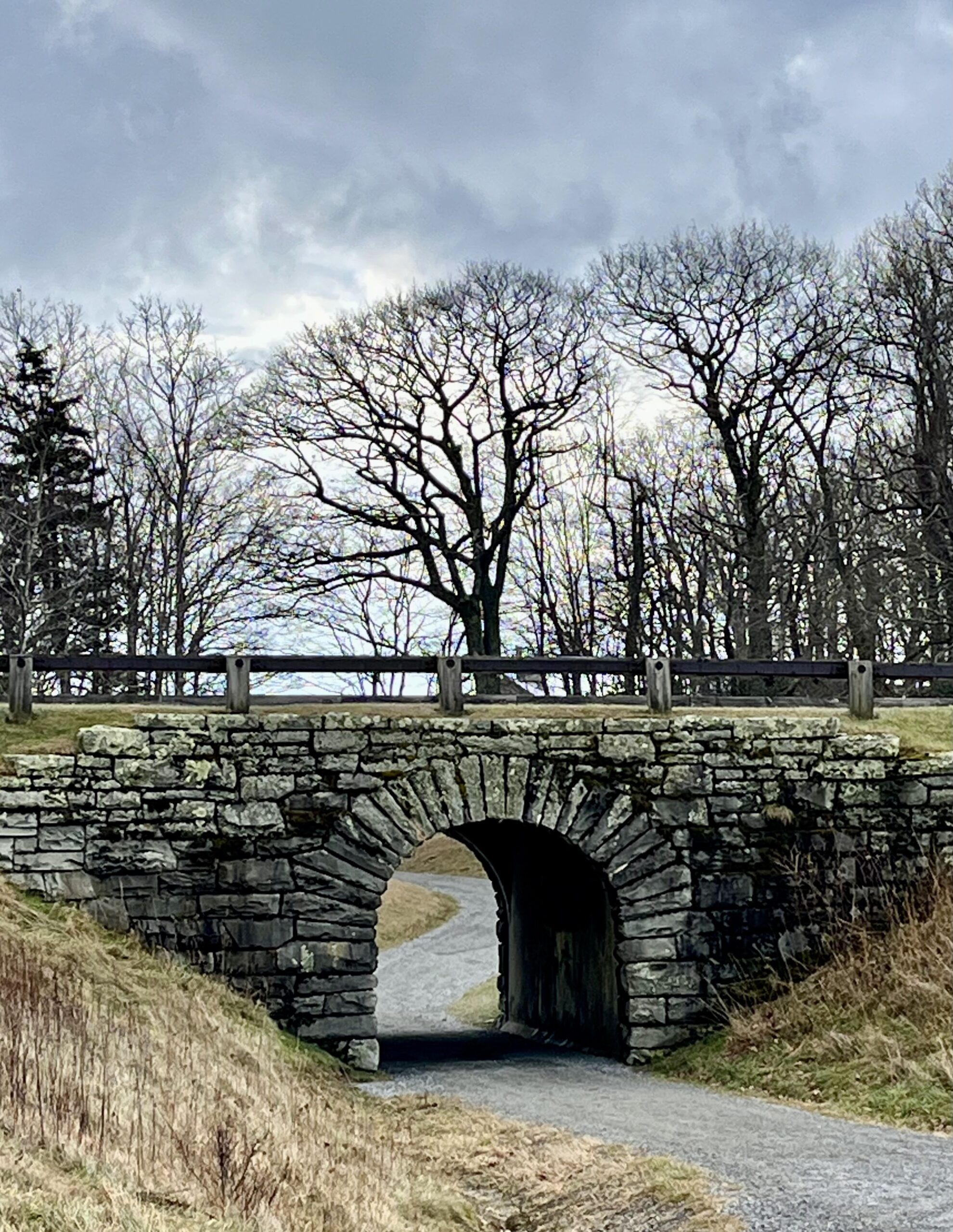
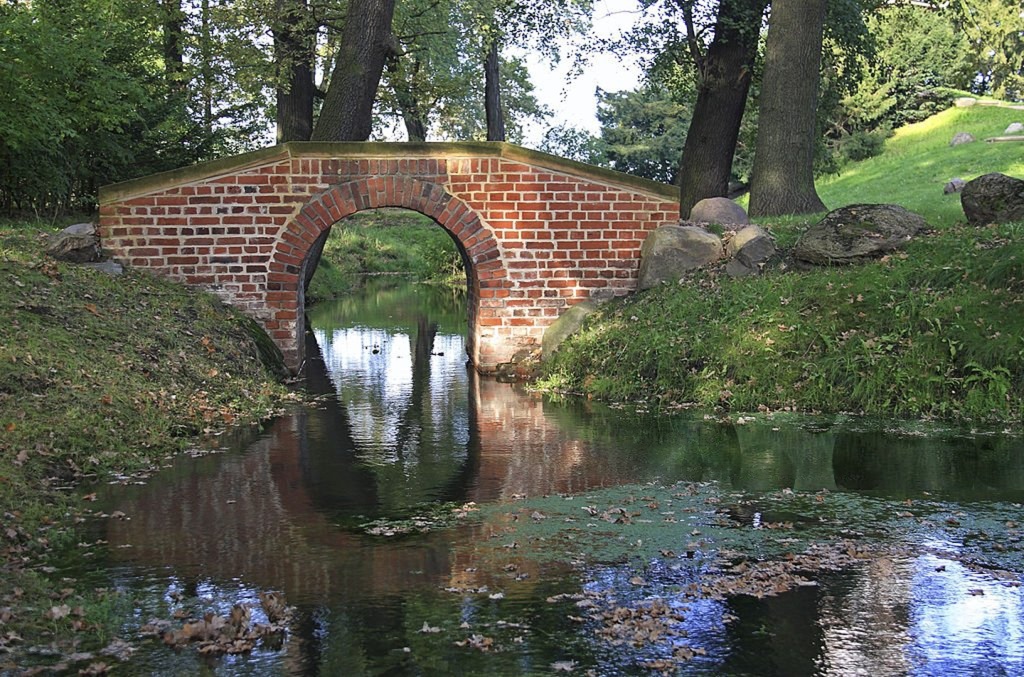
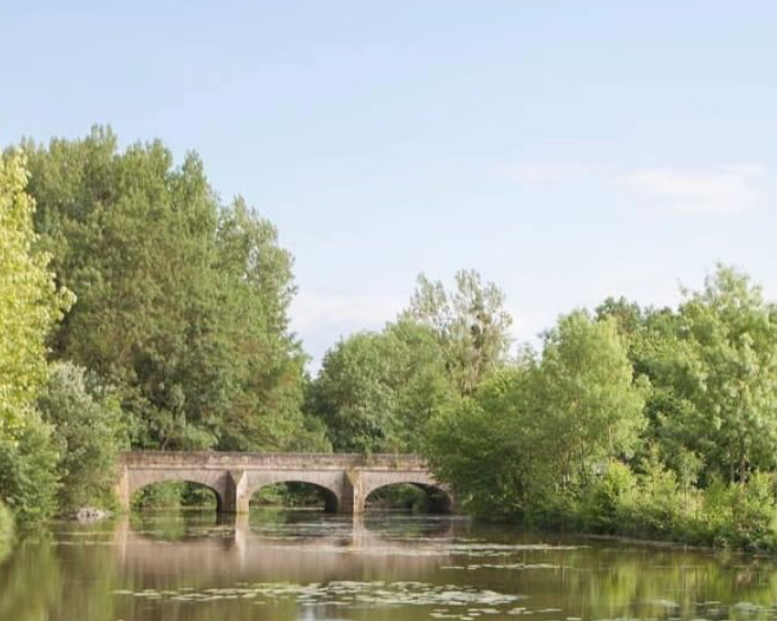
In this watercolor class, we will explore Wyeth’s approach to observation and atmosphere while painting a bridge surrounded by trees. Our focus will be on capturing the character of the bridge through texture and using a combination of hard and soft edges to create depth in the surrounding landscape.
Wyeth once said:
He also described his appreciation for autumn and winter landscapes:
“Something waits beneath it, the whole story doesn’t show.”
Andrew Wyeth, 1939-1969
These ideas encourage us to look beyond the obvious details of a landscape and consider the feeling, history, and atmosphere of a place.
Techniques We Will Explore
1. Limited Color Palette: Use three colors, such as Burnt Sienna, Yellow Ochre, and Payne’s Gray. Mix subtle variations rather than introducing additional pigments.
2. Creating Bridge Textures: Use drybrush, broken lines, lifting, and layered washes to suggest aged wood, rough stone, cracks, and weathered surfaces. Allow the watercolor paper’s texture to contribute to the painting.
3. Soft and Hard Edges: Paint distant trees with soft, diffused edges using wet-into-wet washes. Use sharper, hard-edged lines and branches in the foreground to establish depth and contrast.
4. Atmosphere and Depth: Keep distant objects lighter, softer, and less detailed. Develop stronger values and more defined textures around the bridge to establish a focal point.
5. Layering and Negative Painting: Build transparent washes gradually, preserving lighter areas of the paper to suggest sunlight, openings between branches, and reflections.
Tips for Painting Like Andrew Wyeth
Wyeth’s watercolor and drybrush paintings demonstrate how ordinary subjects can become expressive through thoughtful composition, restrained color, and careful attention to surface textures.
Observe before painting. Study the shapes, shadows, and textures that give the bridge its character.
Think in values, not just colors. Strong light and dark relationships can make even a nearly monochromatic painting feel dramatic.
Practice drybrush. Remove excess moisture from your brush and drag the pigment lightly across textured paper.
Simplify the background. Avoid outlining every tree or painting every leaf. Suggest atmosphere through varied edges and overlapping shapes.
Leave areas unfinished. Allow some washes to remain loose and abstract. Not every detail needs to be explained.
Watercolor Vocabulary
Term
Definition
Drybrush
Applying pigment with minimal water to create broken, textured marks
Hard Edge
A sharply defined boundary between shapes or colors
Soft Edge
A diffused transition created when wet colors blend
Limited Palette
A small selection of pigments used throughout a painting
Atmospheric Perspective
Creating distance through lighter values, softer edges, and reduced detail
Negative Painting
Painting around a shape to define its edges
Glazing
Applying transparent layers of watercolor over dry paint
As you paint your bridge, consider what makes it interesting. Is it the texture of its surface, the shadows beneath it, or the trees surrounding it?
Remember that texture creates character, edges create atmosphere, and a limited palette creates harmony.
Allow your painting to communicate not only what the landscape looks like, but also how it feels.
For further inspiration, explore Andrew Wyeth’s watercolor Open Country (1957), Brandywine Museum of Art, a drybrush landscape demonstrating his attention to subtle textures and restrained color.
Homework:
Paint a portrait of a tree or try another bridge, be sure to include a wet on wet soft underpainting for depth in the atmosphere.


Leave a Reply