If you’ve ever wanted to loosen up your painting style and create bold, expressive marks, painting with a palette knife is a wonderful place to start. In this week’s acrylic painting class, we will paint pears using only a palette knife, allowing texture, color, and gesture to become important elements of the artwork.
Unlike brushes, palette knives encourage artists to simplify shapes, think in planes of color, and create rich surface textures that bring a painting to life.

Pears , by artist Austin Patterson
Why Paint Pears?
You tube Video Tutorial : Click Here
Pears are an excellent subject for palette knife painting because of their simple organic forms, subtle color shifts, and beautiful highlights. Their rounded shapes allow artists to practice building form through layers of color while exploring texture and movement.
Our goal is not to create a photographic pear, but rather to capture its character through expressive marks and confident paint application.
What Is Impasto?
Impasto is a technique in which paint is applied in thick layers using a palette knife, brush, or other tools. The resulting texture catches light and creates shadows, adding a sculptural quality to the painting.
Artists such as Vincent van Gogh used impasto to create expressive marks that conveyed emotion and movement. Impasto can help artists:
- Create texture and dimension
- Emphasize focal points
- Capture movement and gesture
- Add visual interest through brushstrokes and palette knife marks
- Enhance the physical presence of paint on the canvas
- Create dramatic highlights as light catches raised surfaces
Tools for Impasto Painting
To create thick, textured surfaces in acrylic painting, consider using Heavy-body acrylics are particularly useful because they hold their shape and retain visible brushstrokes.
- Palette knives
- Modeling paste or heavy gel medium
- Heavy-body acrylic paints
- Silicone shapers or texture tools
Techniques to Try
Palette Knife Application
Load paint onto a palette knife and spread it across the canvas in sweeping motions. Experiment with scraping, layering, and building ridges of color.
Layering Thick Paint
Apply paint in multiple layers, allowing some areas to remain thick and textured while others stay smooth. This creates contrast and visual rhythm.
Directional Brushstrokes
Use large brushes to create expressive strokes that follow the movement of your subject. The texture can reinforce the direction of wind, water, grass, or hair.
Combining Smooth and Textured Areas
Not every section of a painting needs thick paint. Contrasting smooth passages with heavily textured areas can help guide the viewer’s eye to important elements
Technique 1: Applying Paint with the Edge of the Knife
The edge of the palette knife can be used much like a drawing tool. By loading a small amount of paint onto the edge, artists can create:
- Thin lines for stems and contours
- Sharp highlights
- Crisp edges
- Directional marks that suggest form
Try varying the pressure of the knife to create both delicate and bold marks. Notice how a single stroke can describe the curve of a pear or the edge of a cast shadow.
Technique 2: Blending Colors on the Canvas
One of the most exciting aspects of palette knife painting is blending colors directly on the surface. Rather than mixing every color completely on your palette, place two colors side by side and gently pull them together with the knife.
- Yellow and green for the body of the pear
- Red and orange for warm highlights
- Blue and violet for cool shadows
Allow some of the colors to remain partially mixed. These visible color transitions create vibrancy and energy that often disappear when colors are overmixed.
Technique 3: Scraping and Removing Paint
A palette knife is not only a tool for adding paint, it can also remove it.
- Create highlights
- Reveal underlying colors
- Suggest texture
- Correct areas that feel too heavy
Scraping can be especially effective when creating the reflective shine on a pear or introducing interesting textures into the background. Every mark does not have to stay. Sometimes removing paint creates the most beautiful passages in a painting.
Class Assignment
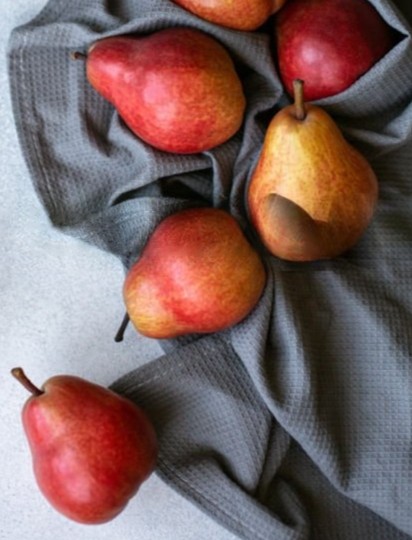
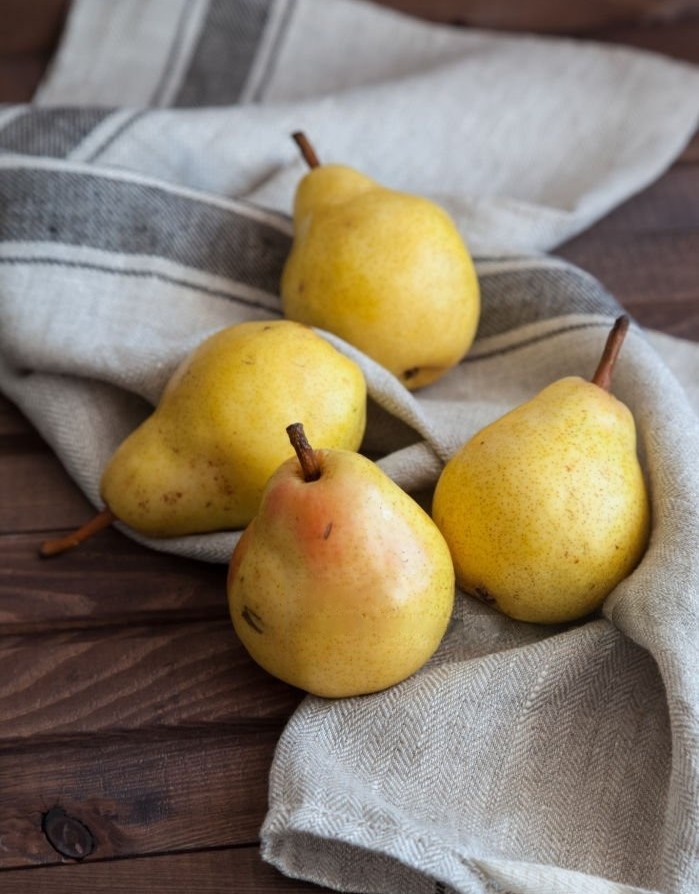
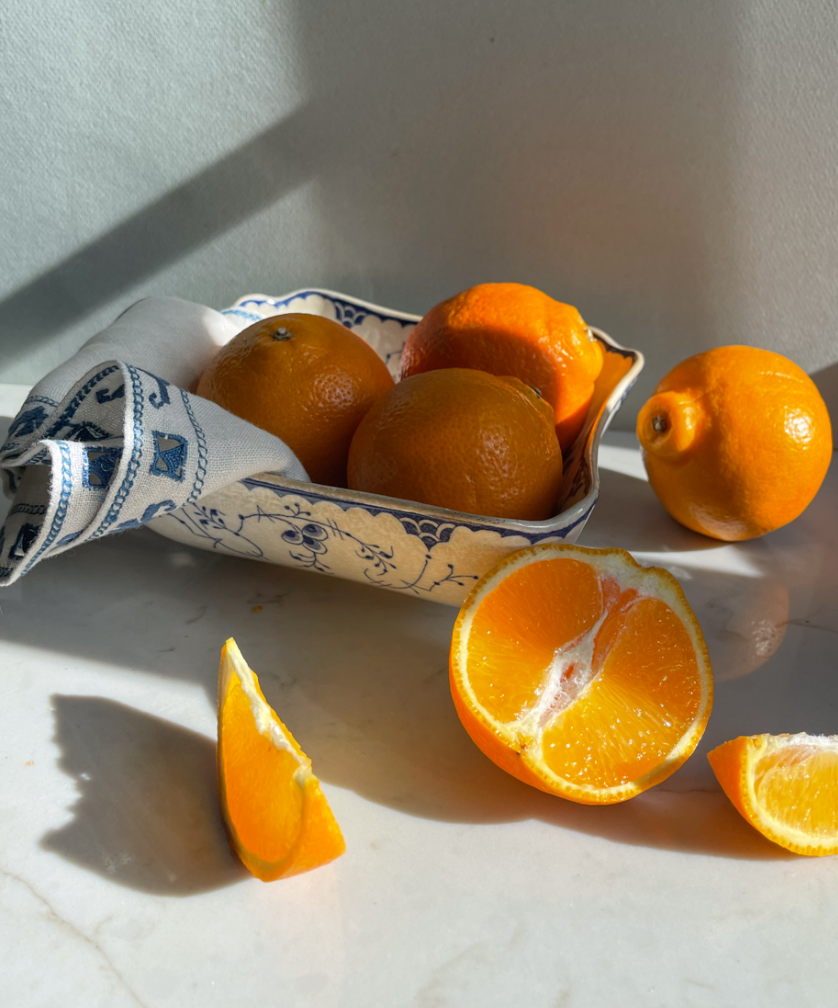
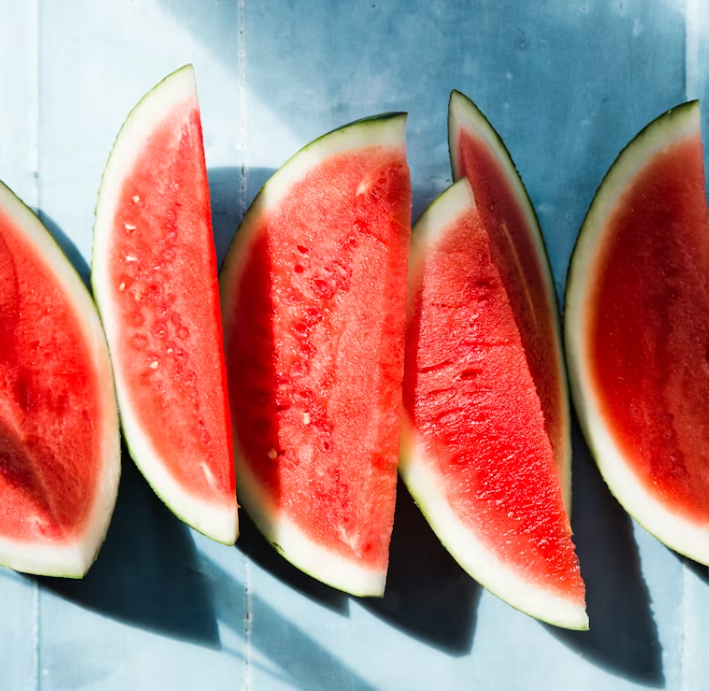
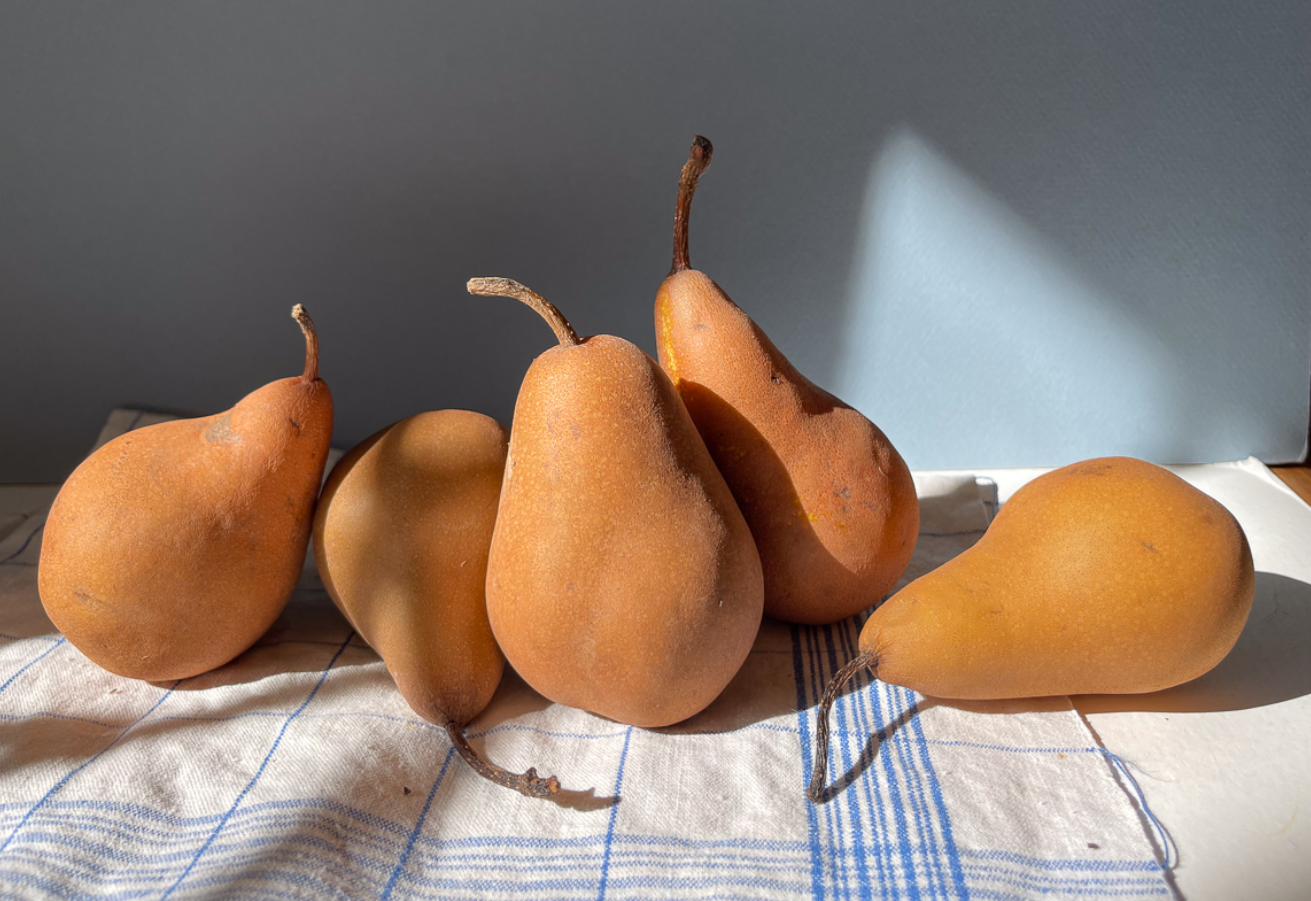
Create a still life painting using only palette knives. Throughout the painting, practice:
- Applying paint with the edge of the knife.
- Blending colors directly on the canvas.
- Scraping and removing paint to reveal highlights and texture.
Focus on making confident marks and allowing the texture of the paint to become part of the design.
Ask yourself:
- Can I simplify this shape?
- Can I make one bold stroke instead of several small ones?
- Where can texture enhance the painting?
- What happens when I remove paint instead of adding more?
Palette knife painting encourages experimentation and discovery. Embrace the unexpected textures, celebrate visible marks, and allow the paint itself to become part of the story.
I look forward to seeing your expressive pear paintings and discussing the unique textures and color relationships you create in class
_________________________________
Homework :
Impressionistic Painting: Start with a warm underpainting .
–Use a pattern and brush stroke unique to you
–Discuss Van Gough and the Impressionistic Movement
—Use color theory for moving vibrance in work