


Finding a Universe in a Single Rectangle
Before you pick up a brush, consider this: What if a single block of red could hold the memory of a sunset? What if a blue rectangle could describe the horizon?
That is the world of Etel Adnan (1925–2021). The Lebanese-American poet, essayist, and visual artist didn’t paint landscapes. She painted the feeling of being inside one. Her works prove that you don’t need detail, perspective, or even a recognizable shape to speak a powerful truth.
This week, we are going to strip painting down to its barest bones. We will look at how Adnan’s brand of minimalism can teach us to paint with emotion rather than description, and we will create a small studies using color as our only vocabulary.
The Abstraction Spectrum:
From “A Thing” to “A Feeling”
Before we start, let’s demystify a confusing word: Abstraction.
Think of abstraction as a sliding scale. On one end, you have strict realism (a photograph of an apple). On the other, you have pure abstraction (a random splatter of paint). Most artists live somewhere in between.
Here is the spectrum applied to a simple mountain:
- Realism (0% abstract): Every rock, shadow, and tree is painted exactly as the eye sees it. It looks like a photograph.
- Reduction (50% abstract): You paint the mountain using simple shapes and flat colours. You can still tell it’s a mountain, but details are gone.
- Etel Adnan’s Zone (85-95% abstract): The mountain is reduced to a single horizontal line of grey. The sky is a solid block of orange. The ground is a dense green triangle. There is no “detail,” but the sensation of the mountain remains.
- Pure Abstraction (100%): No mountain exists. Only the emotion of “weight” or “stillness” expressed through a black square on a white field.
Adnan lived in that 85-95% zone. She trusted the viewer to feel the mountain without seeing it.
How Color Creates Everything
1. Mood: Warm colors (burnt sienna, red, yellow) create intimacy, anger, or joy. Cool colors (blue, teal, violet) create distance, calm, or melancholy.
2. Depth: Without shading, how do you create space? Adnan used temperature. Warm colours advance (come toward you). Cool colours recede (move away). A hot orange square will always feel “closer” than a cold blue one, even if they are physically flush.
3. Atmosphere: This is the air between you and the subject. A haze of pale grey over a yellow field creates a feeling of a dusty, hot afternoon. A streak of white across a green block feels like wind.
Your Minimal Painting Exercise:
The Mini Landscape
Let’s work small and slow—just like Etel Adnan (she often painted with a palette knife directly from the tube while sitting in a café).
You will need:
- Heavy paper or a small canvas ( 8×10 or 9×12 )
- Just 3 colors: A Warm (Cadmium Red or Yellow Ochre), A Cool (Cerulean or Cobalt Blue), A Neutral (Titanium White or Paynes Grey)
- A large brush or palette knife (or the edge of a piece of cardboard)
The Process:
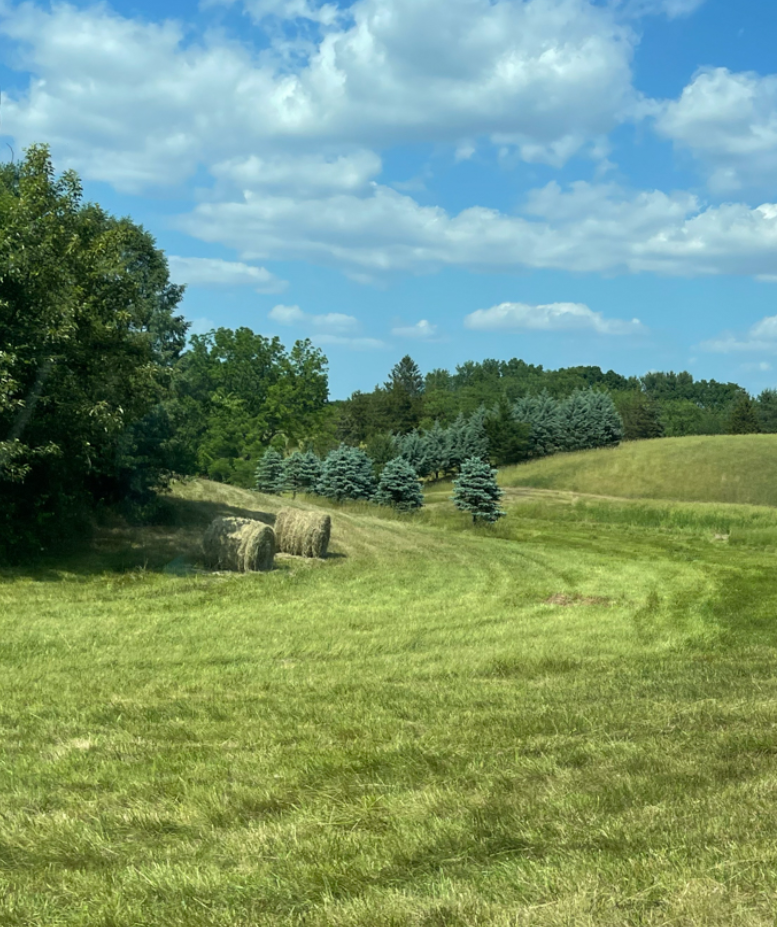
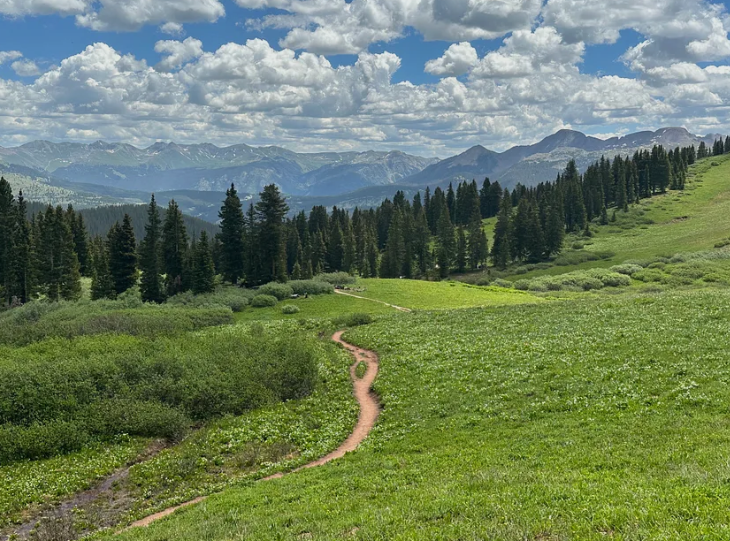
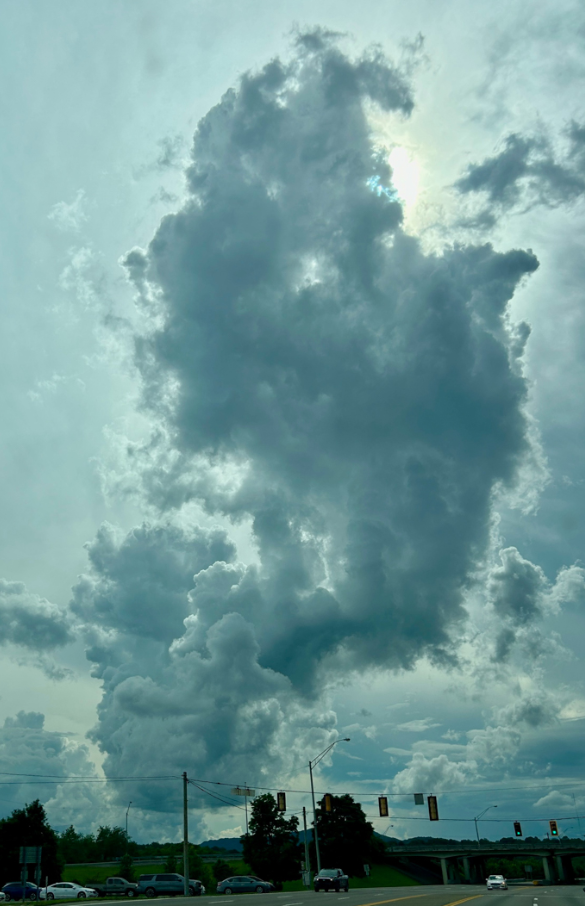
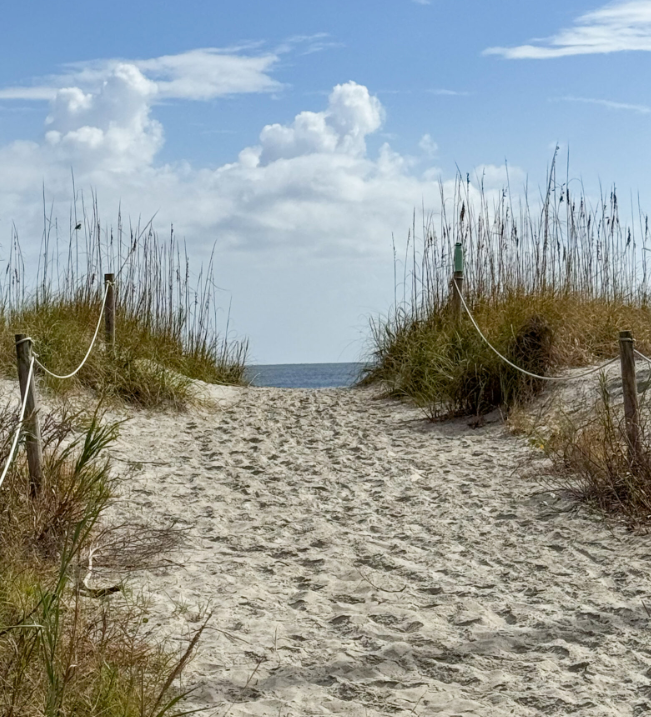
- Choose a image
- Reduce it to 3 shapes: The sky (top), the land/sea (middle), the foreground (bottom). You can add a 4th Shape for a small detail
- Assign colours by feeling, not fact:
- Fact: The sea is blue.
- Feeling: The sea that day was heavy and sad → Use Paynes Grey.
- Fact: The sun is yellow.
- Feeling: The sun felt aggressive and angry → Use a thick smear of Cadmium Red.
- Premix your paint to create the mood you like for your painting: Do not add paint out of the tube. Mix all your colors. Layer your colors if you would like the paint to be opaque. Let the strokes be visible. Make sure you are using full contrast light colors and dark colors. [ Click Here to learn the mother color method ]
- Stop after 1 hour of painting. Do not over work the color study. Do not blend the edge where the sky meets the land. Leave the loose brushstrokes.
- Try to repeat the painting with a pallet knife to see how it feels.
The Result
You have just created a painting where color is the subject, not the decoration. You have used abstraction not to confuse, but to clarify a feeling. And like Etel Adnan, you have discovered that a minimal rectangle can hold an entire ocean.
Next week, we will look at how to use color in a still life painting to make the mundane more interesting.
Homework :
Fruit Painting