
When we talk about “foundational skills” in watercolor, the mind typically goes to the mechanics: controlling your brush, mixing color theory, and mastering the flat wash.
Think of edges not just as a foundational skill, but as the bridge that connects your mechanical skills to your artistic vision. Edges are the translator between what your eye sees and what your hand does. When you understand edges, you stop asking “how do I paint a tree?” and start asking “how does this tree relate to the space behind it?”
Mastering the four types of edges ( hard, soft, lost, and broken) help you to synthesize your other foundational skills into a cohesive whole:
- Hard edges : Painting wet on dry to control your paint.
- Soft edges : Wet into Wet: They help you to understand the fluidity paint.
- Lost edges: Show restraint and design. What can be left to the imagination?
- Broken edges : Manipulate texture through dry brush, lifting, and scraping.
With edges, those shapes become atmosphere, light, depth, and emotion.
Great Job today in class! Don’t count yourself out , you are all artists! Look at this wondaful student gallery.


Home work :
Practice painting landscapes.
Place some focus on the sky: Video 1: Click Here Video 2: Click Here
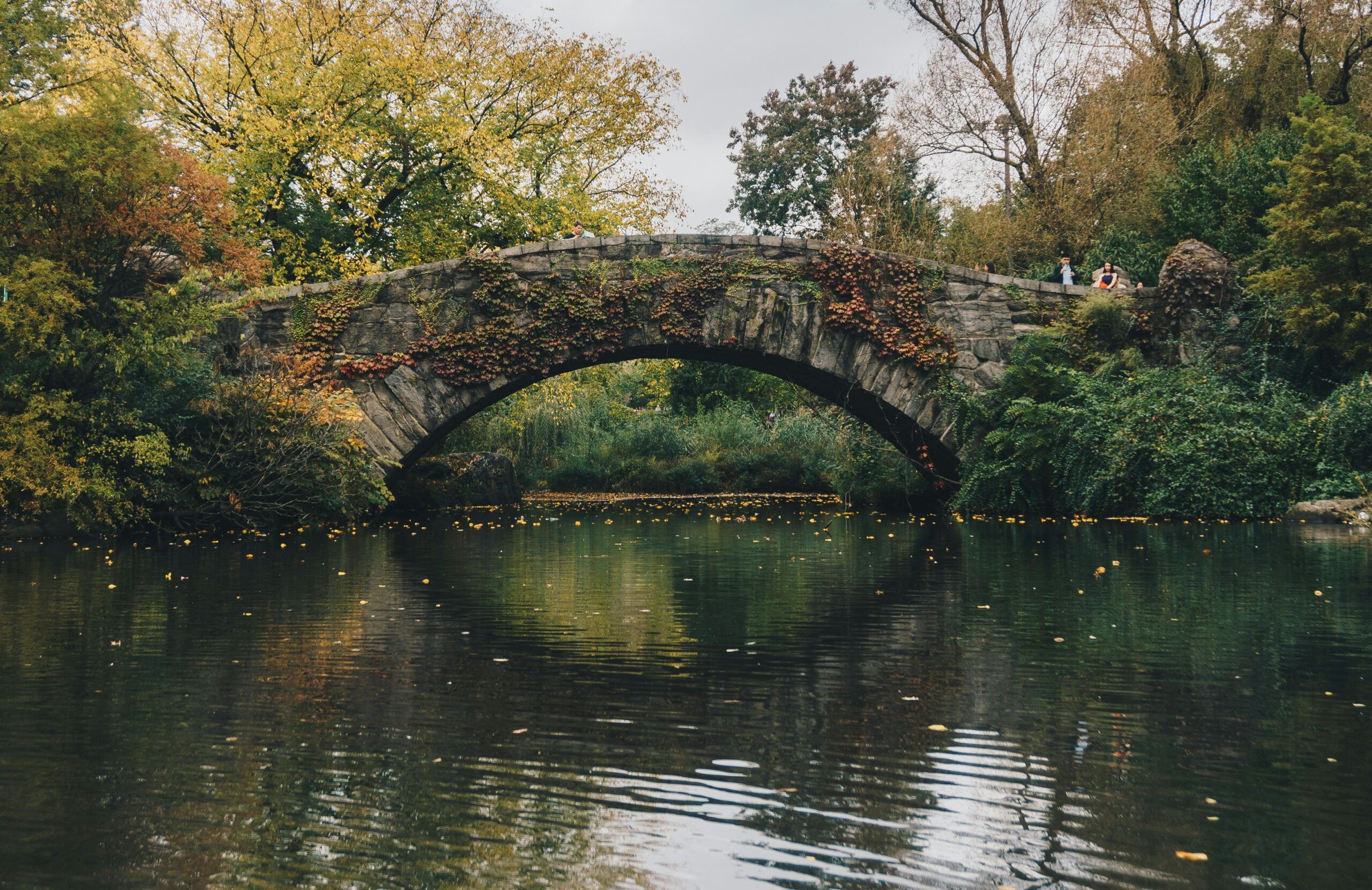
Imagine you’re painting a scene with an old stone bridge with a huge sky!!!
- The Focal Point (Hard & Soft): You decide the keystone of the bridge is your focal point. You paint this with a hard edge, pulling it forward with a crisp, sharp line to catch the viewer’s eye. However, as the bridge curves and recedes into dappled shadow, you soften that edge. The side of the arch melts into the cool shadow of the riverbank, becoming a soft edge.
- The Background (Lost & Soft): A huge open sky!!! Here, you let a lost edge work its magic. You paint the sky and cloud’s while they are still wet. They bleed together, and the edge where clouds meet with the sky .
- The Foreground (Broken): At the water’s edge, you don’t paint individual blades of grass. Instead, you use the chisel edge of a flat brush or a thirsty brush to scrape and lift. You create a broken edge that suggests wild, unruly vegetation. This texture grounds the painting and adds a tactile quality that a smooth wash never could.
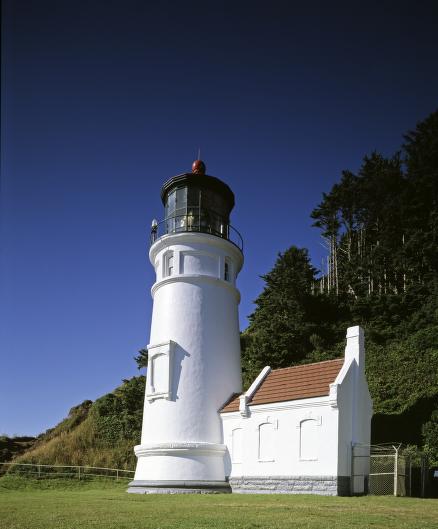
Reference Photos: Paint a landscape of your choice

Photo By Juan Di Nella : Download
Next Class : Painting the Sky in a Coastal Landscape